How ToBRFV varieties changed the Mexican tomato market
Posted on Dec 03, 2024
ToBRFV is a constant threat to growers worldwide as it significantly reduces yields, affects the quality of the fruit, and systematically infects other plants. It is a very transmittable virus that can infect through soil, tools, water, and people’s contact. Hazera has been tackling this threat with its ToBRFV IR varieties- the optimal balance between protection and performance – which provide growers with an effective tool to face the highly infectious virus.
Guillermo Briseno, General Manager in Mexico tells us how the ToBRFV varieties changed the tomato market in Mexico.
Market overview prior to ToBRFV resistant varieties
“The Mexican tomato market before ToBRFV, was a regular market with its challenges on yield, quality, regular diseases for which we had the majority of the resistances and so on.”
How did the new virus impact the market?
“After ToBRFV, the course of tomato producing practices has changed dramatically in Mexico and in the whole world. At the beginning, it was an unknown enemy that was confused many times with TSWV or similar symptoms diseases. ToBRFV is a game changer in the industry. It requires plants to have a strong resistance as that is the main factor for growers to be able to produce tomatoes.”
What are the tomato growers looking for today?
“When the first ToBRFV-resistant varieties were launched by the different companies, there was always a strong doubt from the growers, about whether the resistance was strong enough or not, or how the behavior of the plants would be related to all the rest of the traits such as quality, quantity, vigor, size, fruit coloring etc. As of now, growers are looking for the optimal balance of protection plus performance of the ToBRFV-resistant varieties; So, it is important to supply growers with varieties that can provide on one side resistance and on the other side a good performance that can provide the growers a profitable business.”
Recognition of Hazera’s Efforts
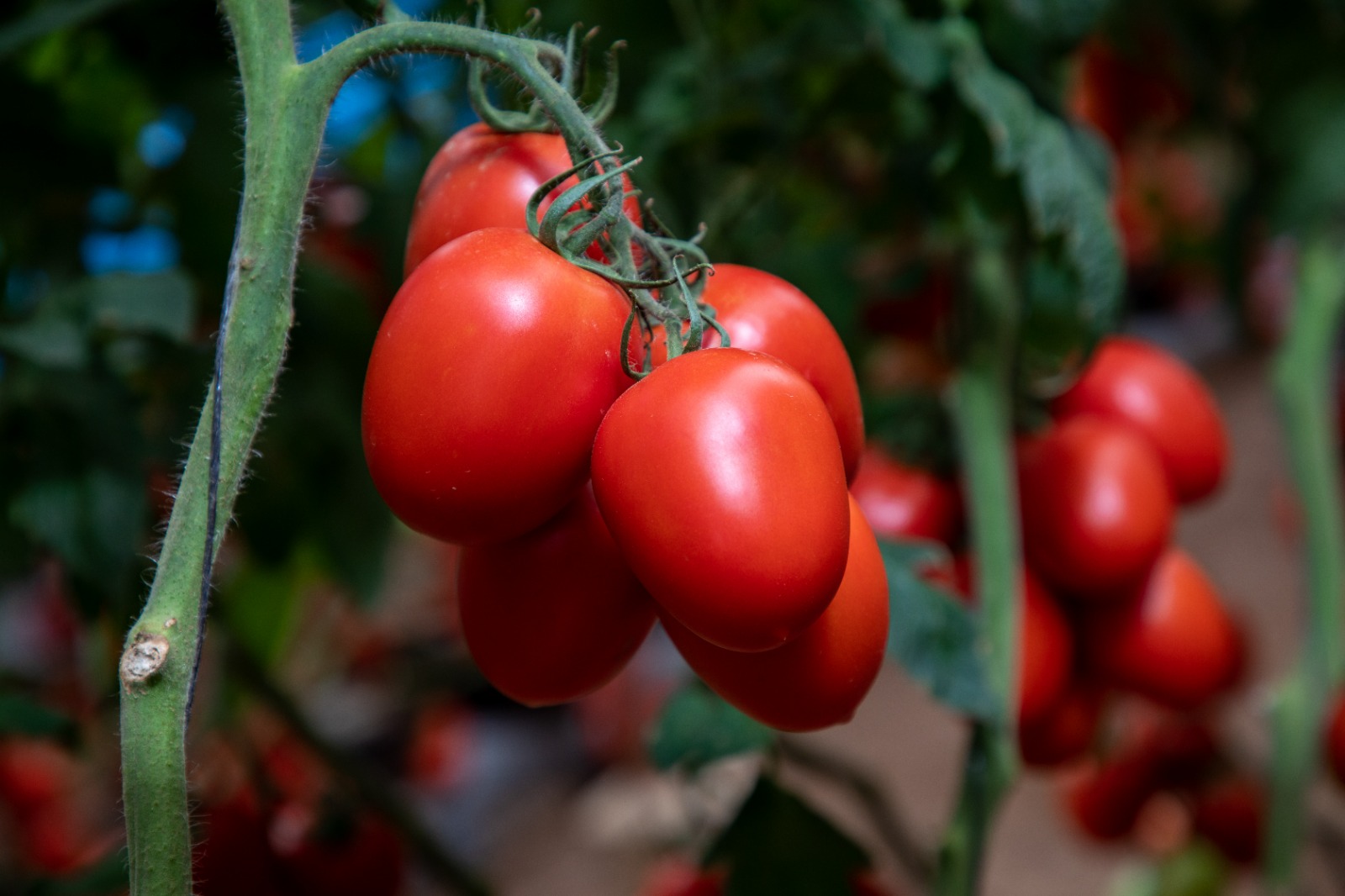
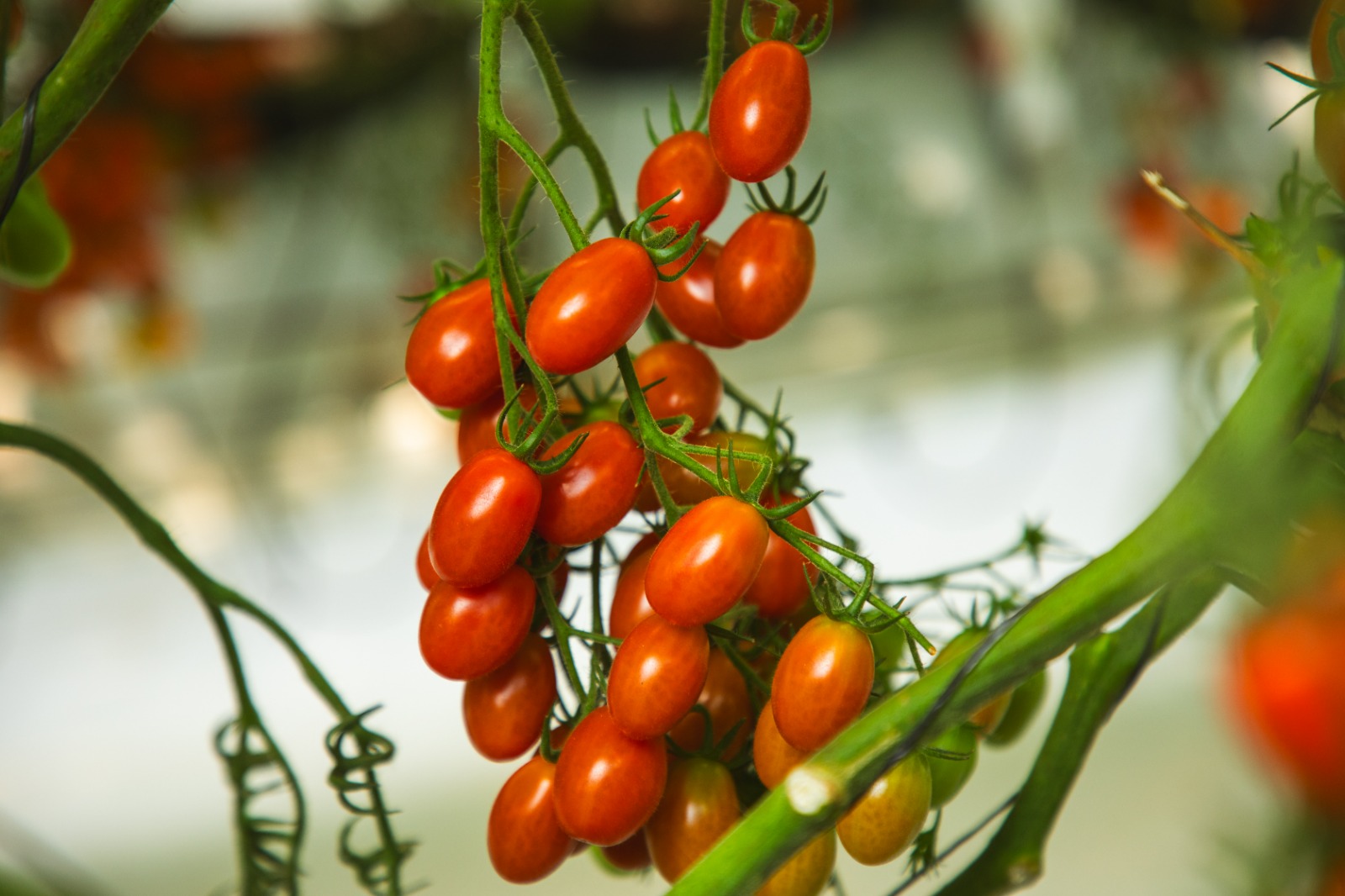
“Hazera has a good position on the ToBRFV tomatoes in particular the indeterminate roma and grape tomatoes slots. We have now two indeterminate tomato varieties Canelo and Pendragon that show good performance and add value to the growers. In addition, we are now adding long shelf life to grape tomato varieties that require a high demand of labor to support growers as well with lower labor needs, resistance, and performance. At Hazera, we will continue working on this desired balance that can assure growers to continue profitable seasons and bring more and more varieties in the different slots that can provide performance and resistance.”
Would you like to learn more about the market in Mexico or have other questions? Contact us!
How ToBRFV varieties changed the tomato market in Greece
Posted on Oct 20, 2024
Greece is recognized for its substantial consumption and production of tomatoes, both fresh and processed. This brief explores the transformative impact of Tomato Brown Rugose Fruit Virus (ToBRFV) resistant varieties on the tomato market, focusing on the pre-existing conditions, the emergence of dominant varieties, their characteristics, benefits, and the broader implications for tomato cultivation.
Let’s see what Petros Karkatselis, General Manager can tell us how the ToBRFV varieties changed the tomato market in Greece.
Market overview prior to ToBRFV resistant varieties
“Before the introduction of the ToBRFV resistant beef tomato varieties, the virus significantly affected the tomato cultivation in Greece. It caused a reduction of approximately 15% in tomato greenhouses cultivation area. This decline was attributed to the virus’s detrimental effects on both yield and fruit quality, prompting growers to shift to alternative crops, such as cucumbers and tomato mini plums, that we saw an increase in the last two years in cultivation area by over 15%.”
Which ones are the dominant varieties in the Greek market?
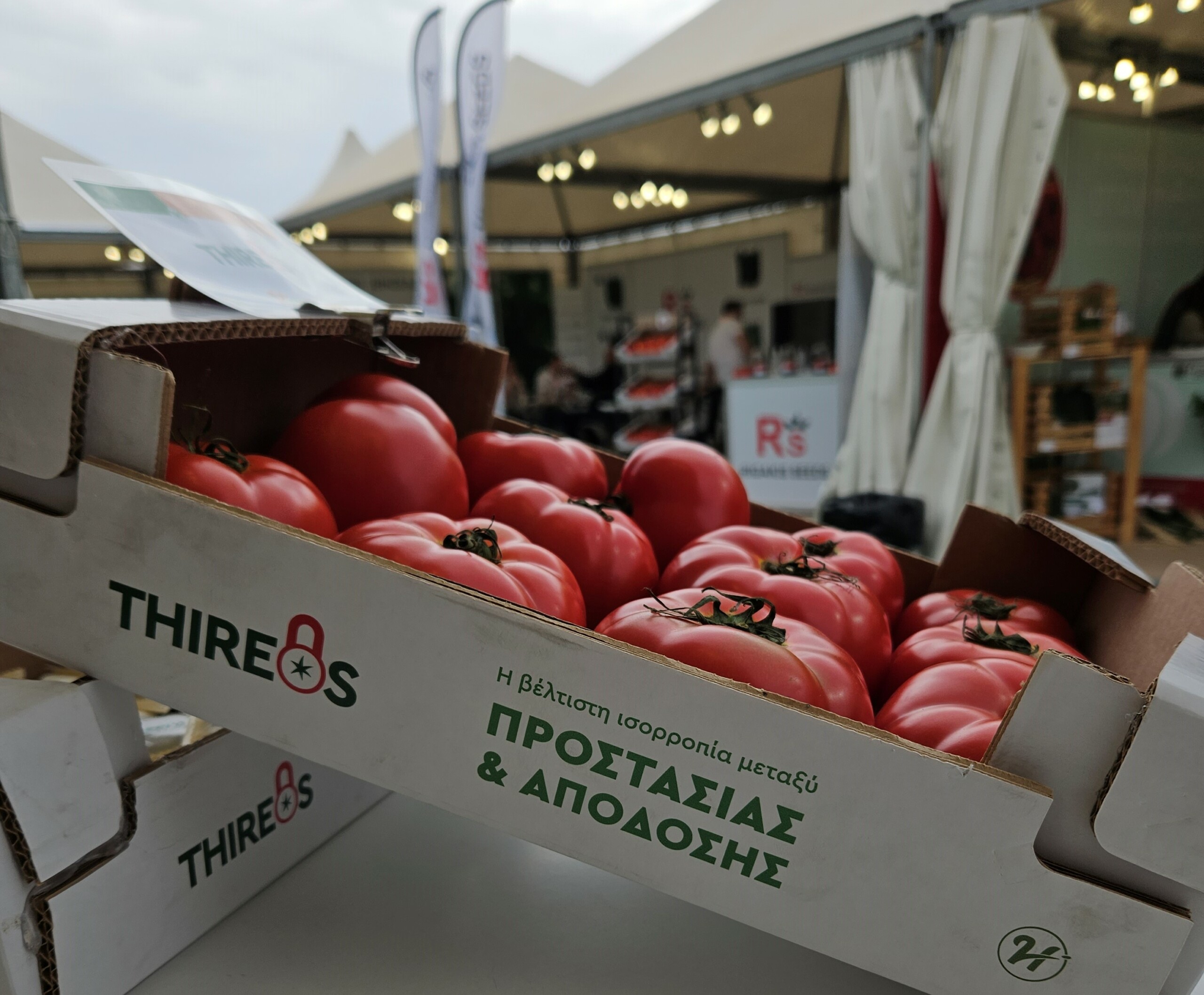
“Hazera introduced Thireos F1, the first ToBRFV resistant beef tomato variety in Greece, with initial plantings in spring and expanded cultivation into autumn/overwinter periods. The variety has shown promising results, with excellent yield and fruit quality, encouraging repeated cultivation among growers. Similarly, the mini plum tomato variety Lollipop has gained traction for its resistance to ToBRFV, bolstering grower confidence in tomato production free from the virus’s threats.”
What are the main benefits of these varieties?
“Thireos is characterized by a robust and vigorous plant producing large, shiny red beef tomatoes with outstanding taste and quality.
Lollipop is known for its strong plant and high yield, Lollipop produces fruits with exceptional taste and extended shelf life.
These varieties not only outperform older varieties in yield but also offer a resistance package that allows for the cultivation of non-grafted plants, reducing costs significantly.”
What tomato the growers are looking for today?
“The challenges of pest infestations (Tuta Absoluta), labor costs, and ToBRFV have contributed to a declined tomato cultivation in Greece. Growers are searching for resistant varieties that offer ease of cultivation and high performance to mitigate these threats. The demand for ToBRFV resistant varieties is a testament to the industry’s need for solutions that effectively address both the virus threat and cultivation costs.”
How are the Hazera ToBRFV-resistant varieties perceived in Greece?
“Hazera’s introduction of ToBRFV resistant varieties has been well-received in the market, providing growers with the means to produce high-quality tomatoes while alleviating concerns over virus-related losses. Hazera’s proactive support and knowledge sharing have been instrumental in assisting growers to optimize their cultivation practices and achieve superior results.”
How are Hazera’s efforts recognized?
“Hazera has been breeding resilient and resistant varieties to overcome the challenges in the market for a long time. With its ToBRFV varieties Hazera tackled new challenges and showed its commitment to support growers in difficult situations as well.”
How the ToBRFV varieties work for the growers?
“The introduction of ToBRFV resistant varieties, such as Pendragon, Giubilo, Windsor, Canelo, Lollipop and Thireos, aligns with the concept of “Tomato That Works for You,” emphasizing the synergy between innovative breeding techniques and the practical needs of tomato growers. This approach highlights the industry’s shift towards sustainable and resilient agricultural practices in the face of emerging threats.
In summary, the introduction of Hazera ToBRFV resistant tomato varieties has significantly influenced the Greek tomato market, offering new opportunities for growth, stability, and sustainability in the middle of challenges. Hazera’s contributions, through the development and support of these varieties, have been critical in revitalizing tomato cultivation in Greece, reflecting a commitment to innovation and sustainability in agriculture.”
Would you like to learn more about the market in Greece or have other questions? Contact us!
How the ToBRFV varieties changed the tomato market in Spain
Posted on Jul 18, 2024
ToBRFV, Tomato Brown Rugose Fruit Virus, is a constant threat to growers worldwide as it significantly reduces yields, affects the quality of the fruit, and systematically infects other plants. It is a very transmittable virus that can infect through soil, tools, water, and people’s contact. Hazera has been tackling this threat with its ToBRFV IR varieties- the optimal balance between protection and performance– which provide growers with an effective tool to face the highly infectious virus.
Alfredo Mesa, Product Manager for tomatoes tells us how the ToBRFV varieties changed the tomato market in Spain.
Can you give an overview of the market before the presence of the ToBRFV resistant varieties?
“Not all the markets have reacted the same way to the virus. In the first markets with virus-infected tomato crops, growers needed to adapt to the situation without resistant varieties. From doing one long cycle per year, they moved to two cycles. Others were searching for varieties with field tolerance. Growers realized that they needed resistant varieties as their “tolerant” varieties were not strong enough anymore due to the increased level of infection, so the seed companies started to release resistant varieties. These markets needed to be open to change their traditional varieties to new resistant ones because the growers were not willing to try anything without the resistance.”
How did the new virus impact the market?
“All markets were impacted differently, depending on when the virus appeared. It seemed to have affected more greenhouse production than open fields. The more intense the agriculture system was, the more impact the virus had on that market. Another change in the market was the change of susceptible varieties to resistant ones. However, the cultivated tomato area has not decreased yet.”
How did the new virus impact the growers?
“Growers suffered from marketable yield loss. They needed to finish their crops earlier, sometimes even two months earlier than they used to, leading to shorter growing cycles. It was necessary because the virus weakened the plants by reducing the foliar area. If the infection starts in young plants, growers must pull out the plants and start again if possible. If not, they need to move to other crops.”
How did Hazera develop its varieties?
“Hazera has been researching and investing massive resources and working for over ten years side to side with our growers/partners to develop a good resistance level without compromising the performance of the current varieties. Breeders, phytopathologists, and genetics worked together, implementing state-of-the-art tools and technologies to speed up the discovery and implementation stages. Thousands of sources were screened looking for potential sources of resistance against the virus. New phytopathology bioassays were developed to confirm and validate the potential sources found. Then parental lines and further hybrids carrying the resistance against the virus were developed and hybrids were deployed in a vast network of trials in the different markets worldwide to confirm both the resistance against the virus and the agronomical performance. Only varieties combining both Resistance and Performance were promoted to the next stages.
Which ones are the dominant varieties in the Spanish market?
“Depending on the typology. For example, nowadays, the Mini Plum varieties, like Pendragon, and Windsor are the more common ones. They have a high performance in all markets and all seasons. Both are very productive and outyield most of the competition, even more so when ToBRFV is present. They also make the harvest process very efficient as the fruits from two and three clusters could be left in the plant and harvested at once. Shelf-life of the fruits is also very good, which allows the harvest to be very efficient. Growers who didn’t have problems with ToBRFV are still very satisfied with Camelot. In segments where new ToBRFV-resistant varieties are not performing well, such as cluster typologies, growers stick to their traditional varieties. Additionally, some plantings, particularly those in November-December with short cycles and no virus present, serve as opportunities for growers to test new ToBRFV-resistant varieties as a precaution.”
What are the main benefits of these varieties?
“If I had to narrow it down, I would highlight the following characteristics:
– High yield potential with very little waste in the field and retail.
– Good quality fruits if they are harvested at the right time in terms of maturity with extended shelf-life.
– Good resistance to ToBRFV infection.”
What are the tomato growers looking for today?
“They look for resistance and performance, which means that fruits and plants do not show symptoms of infection, and at the same time, the varieties perform over the minimum standards of yield, size, quality, etc. First, of course, they look for resistance, but after testing what the seed companies are presenting with resistance, they request high performance. Hazera will not release inferior varieties.”
How are the Hazera ToBRFV-resistant varieties perceived in Spain?
“Hazera did not only contribute with varieties with good levels of resistance and performance but also with education on dealing with the virus. The Hazera team did their research and communicated their findings to the growers, technicians, and agricultural advisors. The Hazera team had a clear message that the best strategy to prevent the virus infection is to start the crop with a clean and disinfected structure and ground, then use resistant varieties, and finally, use the best practices when working in the greenhouse.”
How are Hazera’s efforts recognized?
“The growers recognize the effort done by Hazera to help them overcome the new threat/virus. They can see the difference between susceptible and IR-resistant varieties. They know that Hazera varieties are reliable, and they are confident. The proof is the many phone calls we receive requesting information and seeds for our varieties. We are a reference in the fields because we are the ones who talked about the virus to them even before they knew that they have the virus in their greenhouses.”
Would you like to learn more about the market in Spain or have other questions? Contact us!
New greenhouse in Made forms strong basis for Hazera’s global High-Tech tomato program
Posted on Jun 12, 2024
Thanks to the new High-Tech greenhouse, Hazera can take significant steps forward in its High-Tech tomato program, says Business Development Manager Robbert Biemans. “This program is now truly maturing. The steps we are taking in Made will benefit growers worldwide.” He delves into the activities in the new greenhouse, and what they will mean for Hazera’s High-Tech tomato portfolio.
“Within Hazera, we have extensive experience in breeding tomatoes, with strong market positions in Spain, Mexico, and Asia,” Robbert begins. “But the genetics developed for those markets are suited for growing conditions that are very different from High-Tech cultivation. With the arrival of the greenhouse in Made, we now have a location where we can perform highly controlled tests under competitive circumstances. We can oversee the entire process, providing early insights into the performance of new varieties and allowing us to make better choices more quickly. This level of knowledge and insight enable us to share more information with the growers.”
The more predictable, the better
“The most significant benefit of this control is predictability. And because you have better predictive value in the High-Tech greenhouse, you can better inform growers about what to expect in their own greenhouses.” According to Robbert, a significant advantage of High-Tech greenhouses is that they can create very similar conditions anywhere in the world. “When we develop a High-Tech tomato variety in Made, we only need to test the final details of the process in the local market to ensure that the variety will perform well locally. This allows us to make much larger strides more quickly, rather than having to develop a variety separately for each local market.”
World full of possibilities
Once the greenhouse is operational, the current focus on ToBRFV-resistant varieties will continue. “We will apply this in all segments. In terms of breeding for High-Tech varieties, we focus on vine tomatoes, mini plum tomatoes, and round cherry tomatoes. We are also working on the development of beefsteak tomatoes for the High-Tech market.” Subsequently, Robbert expects Hazera to develop an increasingly broader High-Tech tomato portfolio. The continuous search for improvement plays an important role in this. “We’re focusing on opportunities to better characterize varieties. This allows us to respond more quickly to market trends, such as varieties that taste better, require less energy, require less labor, or are resistant to new diseases.”
The new research facility also offers broader opportunities within the Limagrain Group. “When it comes to tomatoes, we, like our sister companies, have our own specialties. With this greenhouse as a research engine for the entire group, we can intensify our collaboration in the High-Tech field.” Given the new developments, Robbert is very pleased with the assistance of former grower André van Zeijl and the Dutch team. “André knows the impact a breeder has on a grower better than anyone else and knows exactly how tomato cultivation works. This will help us enormously, also in further improving cooperation with the growers.”
High demand for High-Tech
“The High-Tech market consists of large, professional growers. With our professionalism and tomato expertise, I am confident that we can find common ground”, Robbert says about the opportunities for Hazera’s High-Tech program. “There is a growing global demand for the production of vegetables and fruits closer to the consumer. With High-Tech, this is possible. Whilst you produce more intensively, you also have less disease pressure, consume less water, and have a higher predictability.” And how wonderful it is that Hazera has found this global solution at its next-door neighbor in Made? “”Not only because this can accelerate and streamline cooperation, but also from a sustainability perspective: we are taking over a practical and successful greenhouse that has been operating for years, instead of building something new.”
Robbert emphasizes that the arrival of the new greenhouse will not affect Hazera’s demonstration at the Delphy Improvement Centre in Bleiswijk. “Breeding work will be done at the Made location. But growers, retailers and other interested parties are still very welcome to come in and view our new varieties at the demonstration, such as our IR ToBRFV-resistant mini plum tomato Pendragon. Naturally, our latest High-Tech tomato varieties will also be on display in Bleiswijk every year.”
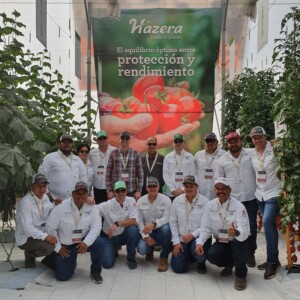
Hazera at AgroExpo 2023: “Growers know we have the solution to ToBRFV”
Posted on Jun 02, 2023
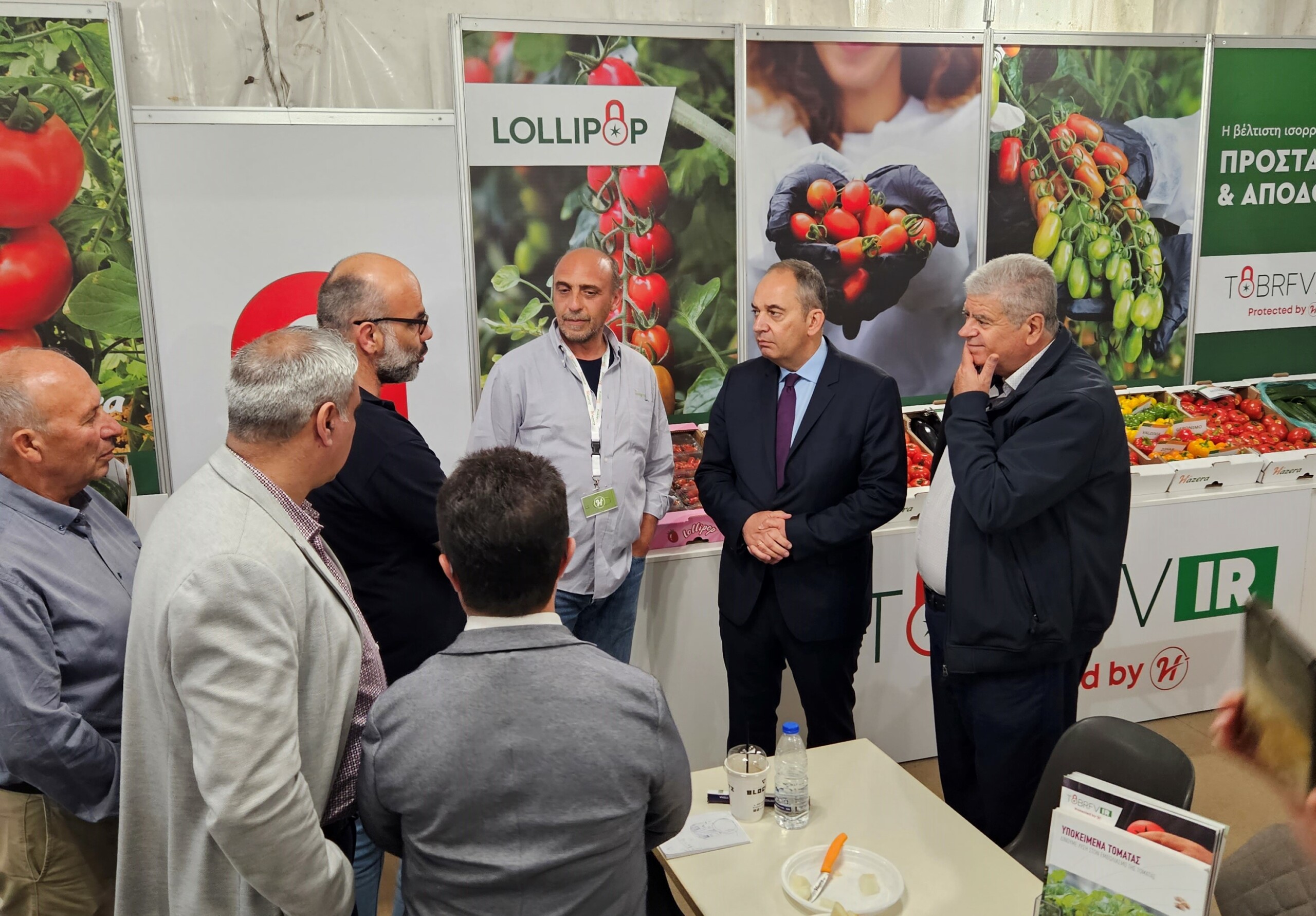
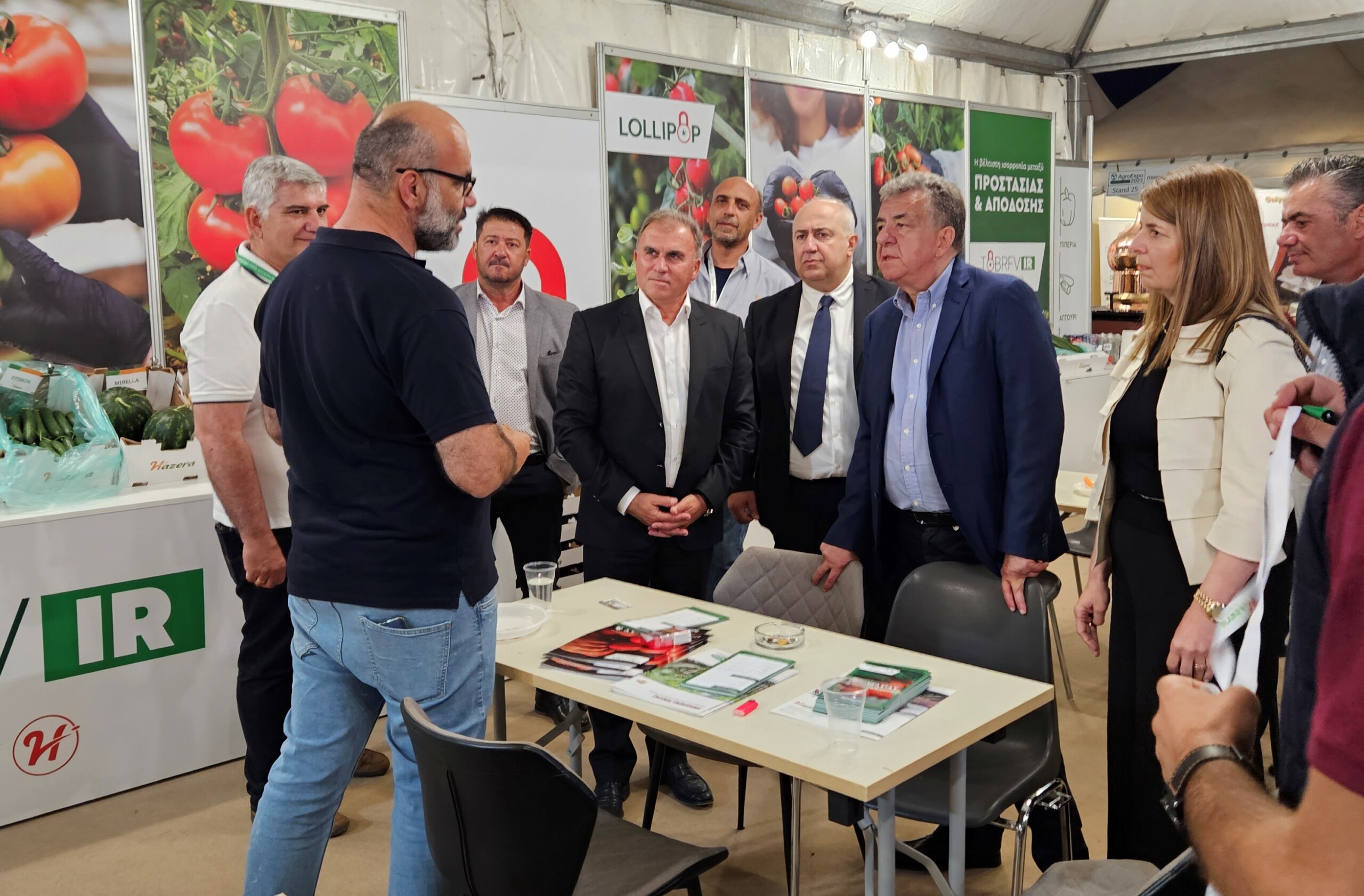
Hazera was present at the AgroExpo 2023 on Crete, Greece, from 26-28 May. Dimitris Karanikolos, Financial Administration Manager and Marcom Business Partner for the Greek subsidiary, explains the importance of this event. “Since last November, the Crete area has seen an increase in problems with the ToBRFV-virus. That’s why we had two main goals at the exhibition: to introduce and promote our ToBRFV-resistant varieties, and to spread information and increase awareness amongst local growers.”
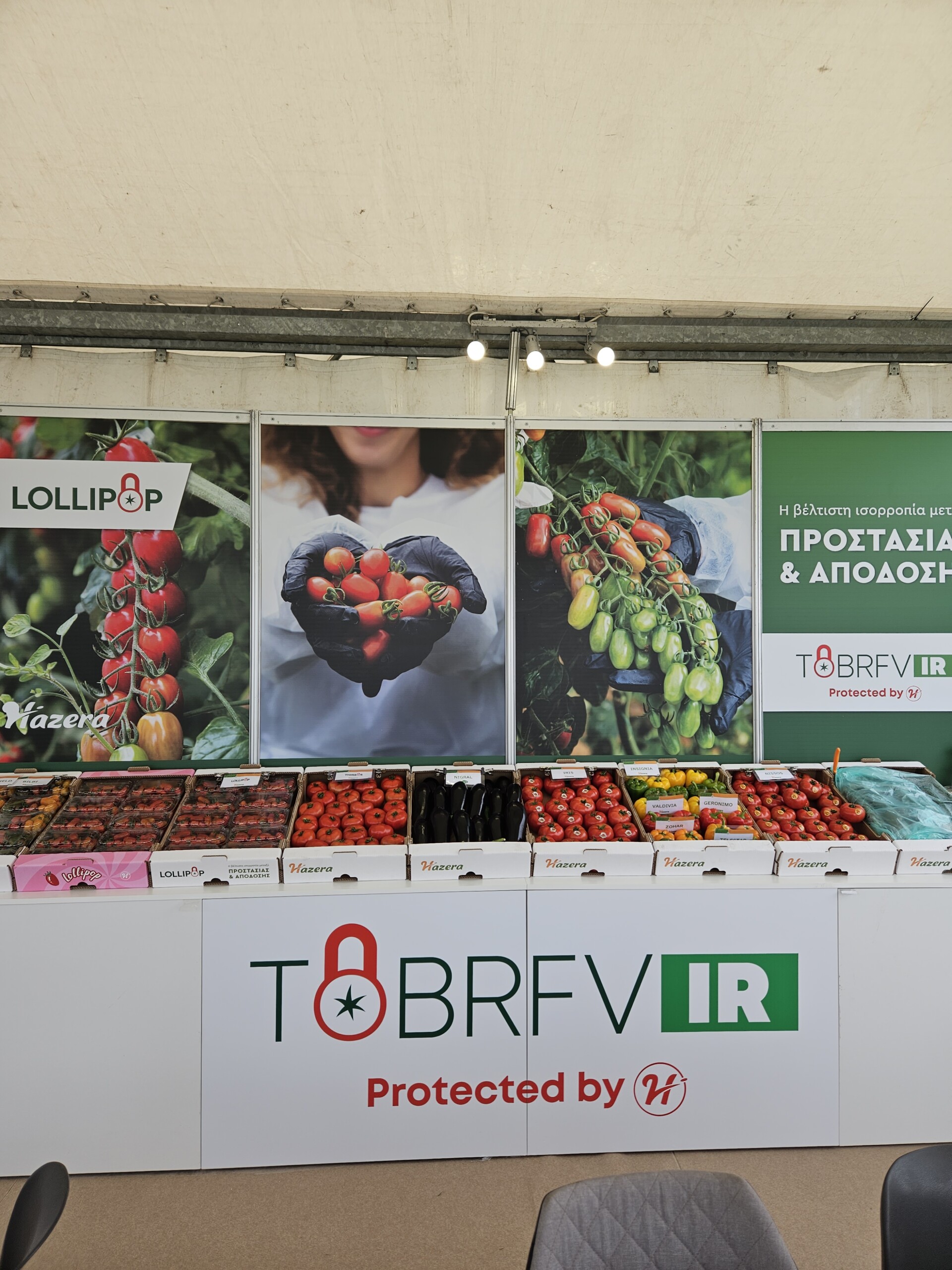
“By now, around the 30% of the tomato cultivation in Greece has been affected by ToBRFV”, says Dimitris, further highlighting the vital importance of a strong and efficient policy against the virus. A policy that includes tomato varieties that are strong both in fruit quality and resistance. To get the main message on ToBRFV varieties across at the exhibition, Hazera created three main pillars: A fancy booth to spread awareness and display the products, meetings with small teams of agronomists to spread knowledge and a special demo field where growers could see the ToBRFV resistant varieties in the field.
Providing the right tools
“It is very important for us to build a stronger relationship with growers, but also with local agronomists, because they go into many different greenhouses and support the cultivation”, Dimitris says. “We noticed that the agronomists were very happy both with the complete knowledge we provided and the products that we offered. Our tomatoes are very tasteful and cover all the needs and standards of the Greek market, and besides that they also have ToBRFV IR resistance. This, combined with the information and awareness we spread, gives both growers and agronomists the tools they need to create healthy products of great quality.”
Knowledge is key.
When asked about his highlights of the AgroExpo, Dimitris answers that he noticed visitors came to the Hazera booth with knowledge and a clear purpose. “They knew we had a descent solution to the ToBRFV-virus, which means we successfully created awareness and knowledge about the variety with our campaigns. Another highlight was the feedback we got from growers that had already tested our varieties and told us that they are tasteful with very good shelf life”.
Dimitris is very happy to hear that growers are very satisfied with the sellable products they can now produce again, as he knows this hasn’t always been the case since the virus hit. “The last 3 years we have seen a dramatic increase of ToBRFV inflation in many areas. This led to the growers changing their habits: they either stopped growing tomatoes or growing smaller quantities to spread production, alternatively replaced them with other crops. This led to a decrease in tomato production, whilst the demand increased. Especially from May to October, when our population nearly doubles due to tourism.”
Product innovator to market leader
“So, the need for ToBRFV resistant varieties was urgent”, Dimitris continues. “We knew our varieties had good resistance, but we needed to ensure that our plants delivered both quality and quantity of fruits. After testing on a small scale, we moved to larger trials all over Greece last year. And with success, as growers can now produce high quality tomatoes again that are sellable in our market. Our competitors had good varieties as well, but they weren’t suitable for the Greek market. Thus, we have the advantage of being the first to have that optimal balance between production and protection”. Because of this, Dimitris is very optimistic about staying market leader for at least the next year or two. “And we expect to have the seeds and added value to cover all the needs of the market.”
Want to know more about our business?
Follow us on our social media channels to stay connected with our Hazera people! If you have any questions left, don’t hesitate to ask them via our contact page!
Meet us and check our ToBRFV resistant tomatoes at the Global Tomato Congress!
Posted on May 09, 2023
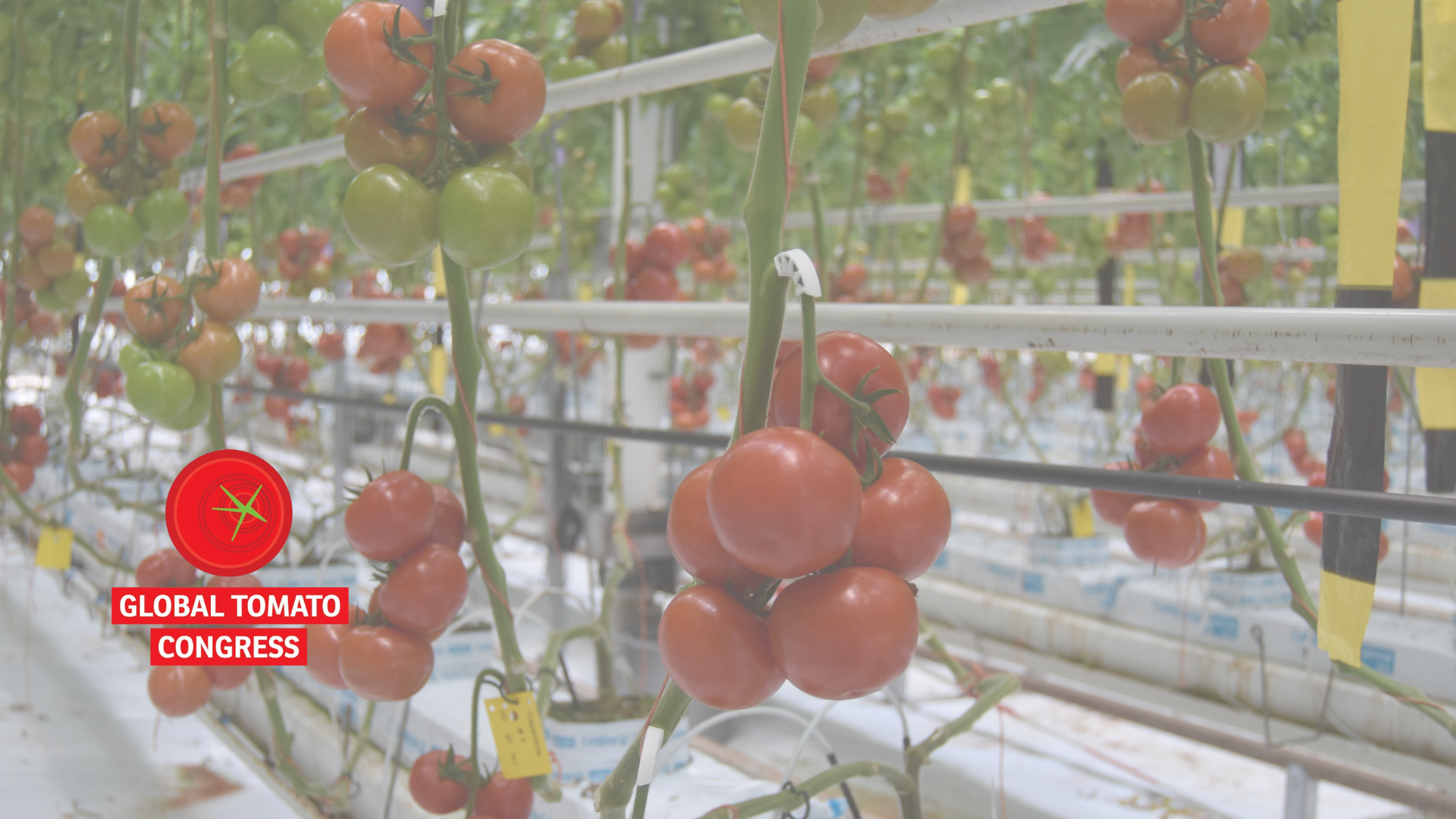
On May 16th, Hazera will be present at the Global Tomato Congress in Rotterdam. Here, alongside our delicious flavored tomatoes Summersun, Goutine and Sensera, we will present our ToBRFV resistant tomato varieties Pendragon, Windsor, Canelo, Thireos, Giubilo and Lollipop. But how are these varieties developed? In this article Alejandro Szechtman, Portfolio Marketing Director of Tomatoes, tells us all we need to know on Hazera’s worldwide approach towards the ToBRFV virus, the development of resistant tomato varieties and perspectives for the future.
As Portfolio Marketing Director of Tomatoes, Alejandro knows each market around the world comes with its own challenges. When ToBRFV hit, this was no different. “In each market, we have a very close relationship with our growers, as well as retailers and consumers”, Alejandro says. “This allows us to understand the different needs and problems growers globally faced from the ToBRFV-virus”. As part of the Limagrain Group, Hazera then set out to develop tomato varieties that provided both good resistance as well as excellent economic performance.
Common efforts
According to Alejandro, the close collaboration between local teams and the globally working marketing team is vital in developing these resistant varieties. “It’s a common effort between different disciplines. We have R&D which includes breeders and geneticists developing the products, the marketing department delivering these products to the markets and the local product development teams who test the varieties in each market”. By collecting all data from local teams, the marketing division can decide which varieties are ready to be launched commercially.
“A thorough, all-embracing and constant process”, says Alejandro. “We look at the challenges growers face today, but also at the ones they might face in the future. On a daily basis this means trials, trials and more trials. Developing a new variety takes several years. In our massive effort to conform each variety to the market it is destined for, the goal is always the same: tomatoes that are resistant to the virus. But different conditions require different solutions to get to the same goal. Reaching it would not be possible without working very closely with local growers.”
Launching different varieties
Globally, Hazera has been seeing more and more results of commercially launched ToBRFV-resistant varieties. “Recently, we had a successful launch of the Canelo variety in Mexico, which we’ve been developing from scratch since 2015. It was ready for launch within 7 years, quite an efficient process”. But there are more success stories. Hazera has already launched ToBRFV-resistant varieties in Italy, Spain and Greece. And now, at the Global Tomato Congress, we would like you to meet the Pendagron (suited for Spain, Israel, Mexico and the Netherlands) and Windsor (suited for Spain, Israel and the Netherlands) varieties to the world!
Quality in balance
“When developing and launching additional varieties for various markets, we always look for aspects that make our variety perform well both economically and resistance-wise. Looking for the optimal balance between protection and performance”, Alejandro proudly concludes. “Like I always say; at Hazera we don’t provide varieties, we provide solutions.”
Hazera launches ToBRFV resistant varieties in Mexico
Posted on Nov 08, 2022
Hazera launches ToBRFV resistant varieties in Mexico
After having announced the pipeline of its ToBRFV resistant varieties, Hazera is proud to launch its first resistant varieties for the Mexican market and showcase them at the most important event for agriculture in Latin America- EXPO AgroAlimentaria Guanajuato® 2022 in Mexico.
ToBRFV launch
ToBRFV is very noticeable in Mexico and growers have been faced with diminished yields and battered fruit. ToBRFV is a huge problem for tomato production, affecting the yield and fruit quality with coloring issues and brown spots on fruits impacting directly on the marketable yield.
Since ToBRFV hit tomato growers worldwide, Hazera’s R&D team has been working tirelessly, for several years, to find varieties capable of giving an effective level of ToBRFV resistance without compromising the yield and fruit quality. “These efforts included in-depth trials in many locations, under different conditions in a global scale, to confirm that we are able to provide solutions, with the right balance between performance and ToBRFV protection”, according to Alejandro Szechtman, Hazera’s Portfolio Marketing Director.
With the optimal balance between protection and performance, Canelo, one of Hazera’s tomato varieties with resistance to ToBRFV, is an indeterminate Roma type with a vigorous plant, which maintains a balanced yield under adverse environmental conditions, due to its wide array of resistances. “Through vast trialing of Canelo in most regions of Mexico, including San Luis Potosi, Baja California, Michoacan, Sinaloa, and Coahuila, Canelo provides high yield, excellent fruit quality, good maturation with an intense red color, as well as excellent firmness, maintaining L and XL sizes with average weights of 150 to 160 grams throughout the production cycle”, according to Javier Angulo- Product Development Manager, Mexico.
“Canelo”
Canelo is a very productive variety, ideal for growing in a net house or greenhouse. Additionally, with its ToBRFV resistance, Canelo is able to serve the Mexican grower as an effective tool to face the highly infectious virus, which is supported by local growers, who claim that “Canelo is a very strong and healthy plant with outstanding high fruit quality.”
Looking forward, “Hazera is continuing its efforts to provide effective varieties to better cope with ToBRFV on a global scale and, in Mexico, will launch several new varieties, including the up and coming, new Indeterminate Grape Tomato, ‘Pendragon’, a variety that combines ToBRFV IR resistance with high yield, long shelf life, and good taste, following our commitment to provide growers varieties with the optimal balance between protection and performance,” says Alejandro Szechtman.
by Dr. Yaniv Rotem – Solanaceae Pathologist, Hazera
General background
The Tomato Brown Rugose Fruit Virus – ToBRFV – is a relatively new viral disease, first appearing in the Middle East in 2014. The disease has since spread rapidly to many other areas in the world, and currently constitutes a major global problem in tomato crop production worldwide.
In Israel, all tomato production areas have been severely affected by ToBRFV, and the effects of the disease are evident both in the tomato greenhouses and fields, and in the quality and appearance of the fruits which are sold.
Symptoms of the disease
As a rule, the symptoms of the disease are similar to the typical symptoms of ToMV, but the severity of the symptoms can differ from that known with ToMV:
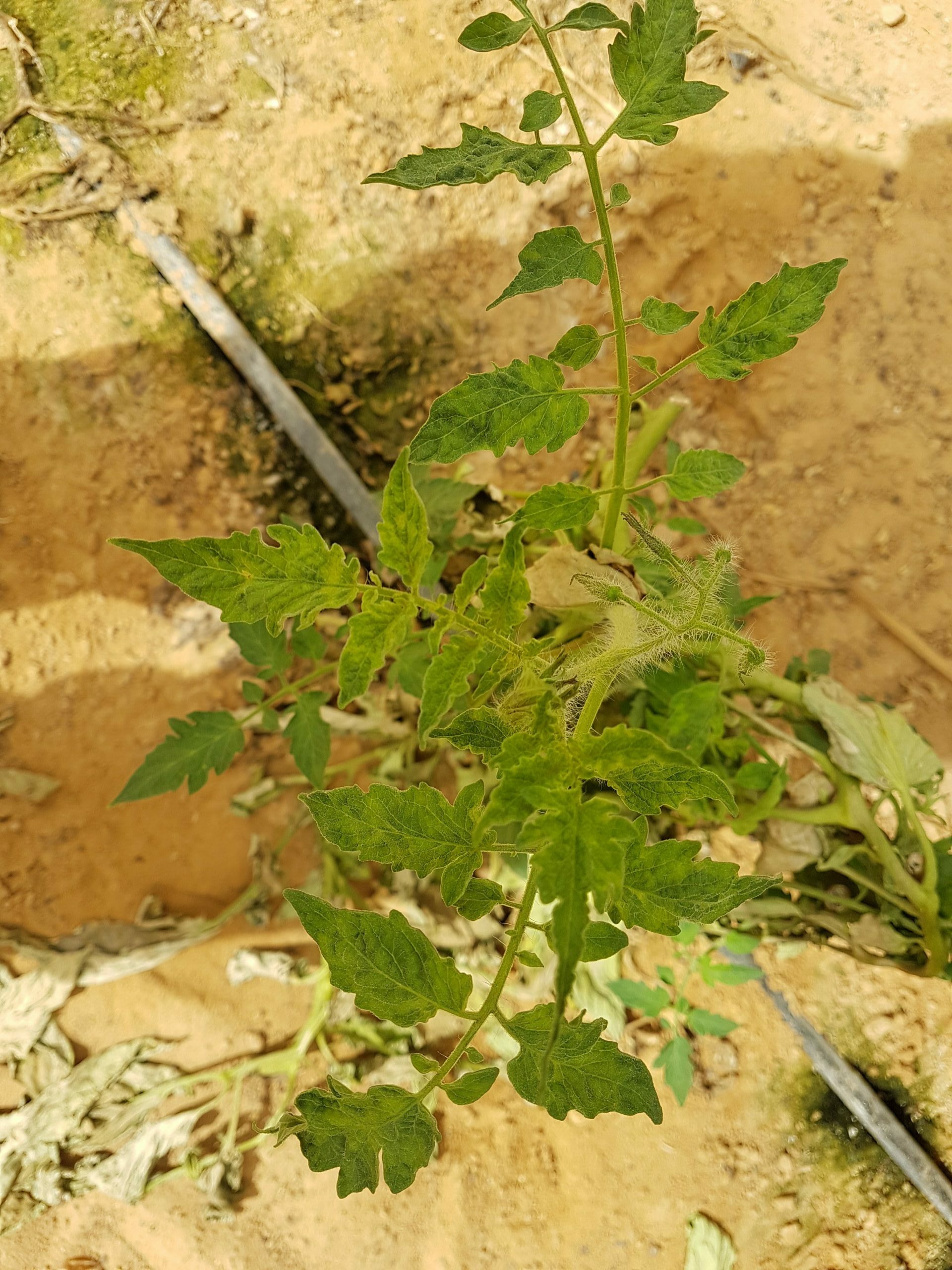
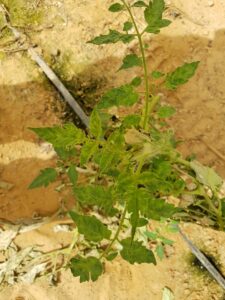
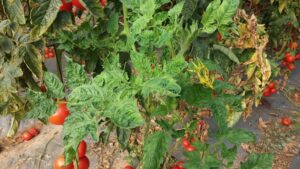
In the leaves – a mosaic appears, which is particularly noticeable on young leaves and at the growth vertices. In some cases, there is narrowing of the leaflet blade, and in certain cases the leaves become entirely threadlike (“shoestrings”).
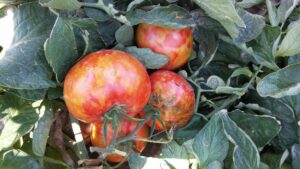
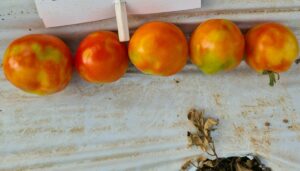
In the fruit – yellow spots develop which become necrotic at a later stage. In some cases, “chocolate spots” appear on the fruit. In cases of severe damage, the fruit becomes wrinkled and distorted. The virus name (“Brown Rugose Fruit”) was given due to the wrinkled appearance together with the brown spots.
Note that in contrast to the characteristic situation when affected by ToMV, in which symptoms generally appear in the fruit only in cases of particularly severe damage to the foliage, in the case of ToBRFV – there is no connection between the severity of damage to the fruit and severity of damage to the foliage: there are situations in which serious damage to the fruit is observed while no symptoms appear on the leaves, or vice versa – cases of severe symptoms in the foliage and lack of symptoms in the fruit.
In certain cases – necrosis develops of the calyx of the fruit, the fruit peduncle, and the central spine of the cluster of fruit.
When a susceptible variety is infected with ToBRFV, the main damage is a significant weakening of the plant and its capability to produce clusters of fruits over a long season.
In the wake of the viral infection, tomato cultivation in Israel has changed entirely: due to the weakening of the plants, growers currently have almost no possibility to grow tomatoes in a long central season of 9-10 months as was customary before the virus’s appearance; instead, shorter growing seasons of 4-5 months are now customary, intended for harvesting a few clusters only.
Symptoms on leaves – severe mosaic and narrowing of some of the leaf lobes, to the point of appearing “thready”
Severe symptoms in the fruits
Symptoms of necrosis in the calyx, fruit peduncle and the spine of the cluster
Weakening of the plant as a result of viral infection in a susceptible variety (on right) compared to a variety that is largely similar to it but is resistant to the virus (on left).
How is the disease transmitted?
ToBRFV is very easily transmitted mechanically – by human contact, by work tools, support wires, or any entity that comes in physical contact with an infected plant or soil that contains the virus and later comes in contact with healthy plants. It is important to remember that particles of this virus are particularly resistant to environmental conditions, and are capable of surviving for long periods in soil or on infected surfaces.
Since the virus is capable of surviving in soil for a long period – the virus is also transferred with infected soil that is moved from one place to another (by sticking to shoes, to work tools that are moved from one plot to another, etc.).
The virus is transmitted in seeds – a seed produced from an infected plant is likely to carry virus particles on its surface.
The virus can also be transmitted by bumble bees, which serve to pollinate during the cultivation process.
Prevention and treatment
Since the outbreak of the disease, Hazera together with Limagrain Group have been working on a comprehensive study of the issue, in which tomato varieties with intermediate levels of resistance to the virus were developed. The first patent in the world for resistance to ToBRFV was registered by Limagrain in 2017. Using these varieties provides an optimal solution for growing tomatoes in conditions of infections with ToBRFV, while maintaining the varieties performance.
Observing phytosanitary rules is key to preventing the disease:
Making sure to have clean clothes, jackets and gloves for those entering the greenhouses.
Making sure to sterilize all equipment used.
Sterilizing shoes in an immersion pit upon entrance to the greenhouse.
Being strict about the order in which buildings are entered – the workday begins with the buildings housing the young, healthy plants and continues to the buildings housing the more mature plants.
Plants in which infection is discovered should be immediately removed from the greenhouse, being careful to avoid contact with neighboring plants.
Using healthy seeds and seedlings is another key to preventing the disease. Hazera is strict about performing health tests in licensed laboratories, according to international standards and the Plant Protection Services. Checking that seeds are free of ToBRFV is done by the ISHI Protocol, which is the international protocol accepted throughout the world.
Being strict about good sanitization – sterilizing the soil or growth medium and the greenhouse space when cultivation is completed.
Hazera announces varieties with intermediate resistance (IR) to ToBRFV in pipeline- read about it here
Hazera announces varieties with intermediate resistance (IR) to Tomato Brown Rugose Fruit Virus (ToBRFV) in pipeline
Hazera is proud to announce the launch of our ToBRFV intermediate resistant varieties- the optimal balance between protection and performance– providing the grower an effective tool to face the highly infectious virus, infecting tomato plants, fruit and affecting growers worldwide. The Tomato Brown Rugose Fruit Virus poses a constant threat to growers worldwide, significantly reducing yields, affecting the quality of fruit, and systematically infecting other plants, as it is a very transmittable virus that can infect through soil, tools, water, and people’s contact.
Since ToBRFV hit, Hazera’s R&D team has been working tirelessly to find varieties capable of giving an effective level of ToBRFV resistance without compromising the yield and fruit quality we’ve invested years to perfect. Over the course of several years, Hazera researchers and agronomists invested endless resources to find solutions to address our growers’ needs worldwide. Moreover, according to Alejandro Szechtman, Hazera’s Portfolio Marketing Director, “These efforts included in-depth trials in many locations, under different conditions in a global scale, to confirm that we are able to provide the optimal solutions, with the right balance between performance and ToBRFV protection”.
Hazera is proud to announce a wide ToBRFV resistant variety pipeline worldwide, with which we will be able to tailor-make the optimal solution per market requirement, beginning with Italy, Greece, Spain, Mexico, Turkey, Israel etc’.
Hazera, through Limagrain’s upstream research, contributed to a network of internal and external collaborative discovery projects on ToBRFV using different approaches. This resulted in Limagrain being the first company to file a patent on ToBRFV resistance in tomato in 2017. While the first generation of tomato hybrids resistant to ToBRFV is being commercialized, Limagrain discovery programs continue to work intensively to find resistances against potential emergent more aggressive forms of this devastating virus.
“Our R&D efforts haven’t ended, we’re still investing to achieve higher resistance, and expand our portfolio to the benefit of growers worldwide,” said Szechtman.
Hazera is a global leader in the seed industry. Hazera has headquarters in both the Netherlands and Israel. We operate subsidiaries in 11 countries, together with a distribution network serving over 130 markets. Our partners operate in all kinds of climates, and under diverse growing conditions and market requirements. For over a century, our top priority has been walking alongside them, developing an enormous variety of seeds and providing comprehensive support every step of the way. Hazera’s team of experts works directly with growers to evaluate their needs, assist during variety selection and provide guidance and support throughout the crop cycle.
Hazera is part of the Limagrain Group, an international agri-business based in France. Being a farmers’ cooperative, the Limagrain Group understands the needs of its customers and has grown to become the largest seed company in Europe, specialising in vegetables, field crops and cereal products. Limagrain’s vegetable seed division is the second largest company in the industry.
Hazera’s Official Training Video: Tomato Brown Rugose Fruit Virus (ToBRFV)
Posted on Aug 30, 2021
We are happy to present Hazera’s training video and sanitation guide for dealing with the new ToBRFV virus.
The purpose of this video is to assist growers and farmers to gain a better understanding of the ToBRFV virus, and to share some practical advice and active measures for eradicating the growth of this virus through the use of stringent hygiene and highly effective sanitation. (more…)