
Hazera’s new head of commercial: Tom Antens

“We must strive for quality and excellence in all aspects, to truly make the difference”.
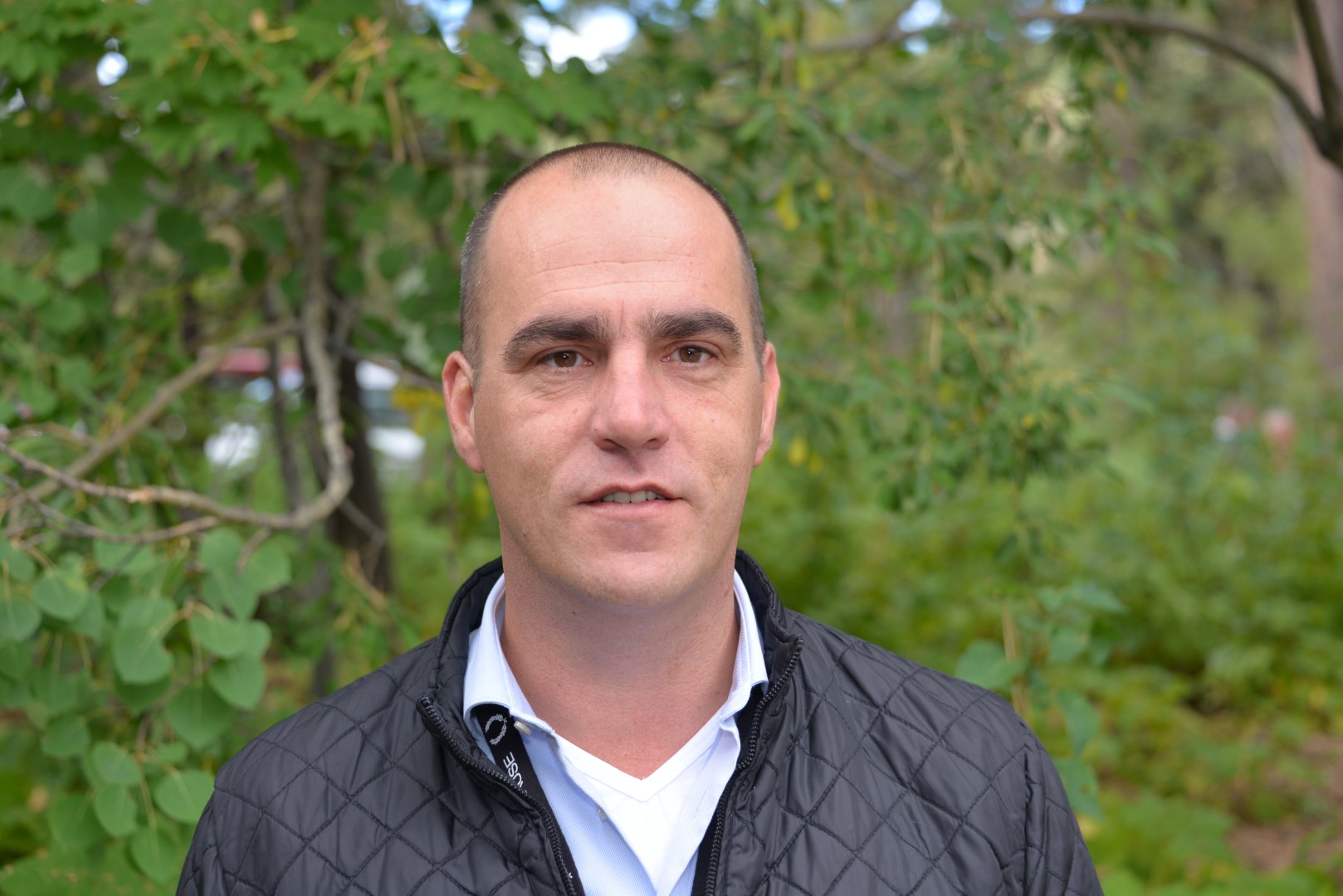
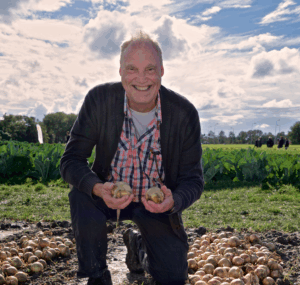
Tom Antens returned to Hazera on 1st July 2023 as Head of the Commercial Department. “Even though Hazera is a strong brand in many markets, there’s still a lot of room to grow and new markets to explore. I see a lot of potential”, said Tom.

Tom is 47 years old and lives in Baarle-Nassau, the Netherlands, with his wife and two children. He previously as Sales Manager for the Middle East, North-Africa and Oceania. He later joined HM Clause as Business Manager. “I was in charge of leading and structuring all business activities in Turkey, a fast-growing subsidiary, as well as the commercial activities in the Middle East and North-Africa”.
During the past four years, Tom has worked for HM Clause as Commercial Director for Turkey, Algeria, EMEA Export and Africa, overseeing sales for these high-growth markets. “In this period, I also fulfilled the role of board member of a joint venture that HM Clause had with Seed Co. in Africa. We worked to combine their established brand awareness on the continent and our products to cater for the rising needs of African growers for hybrid vegetable seeds.”

Team effort
Now, returning with significant experience, Tom is excited to be back at Hazera. “I’m looking forward to working with both new and familiar faces. My goal is to form a close-knit team and bring stability to the Commercial Department as I have done in previous roles. From there, we can explore new markets for our Hi tech and ToBRFV resistant tomatoes and strengthen existing ones, realizing our growth potential along the way.”

Strong potential
“I strongly believe that, within Hazera, we have the people, knowledge, ambition, and commitment to get the company to the place that I believe we can get to. In my opinion, Hazera has a big growth potential and I’m looking forward to taking on the challenge to achieve it with the team.”

Game changer
“The question I ask myself is: how do we make the difference?”. According to Tom, the answer is quality and reliability. “Hazera’s products are widely regarded to be innovative. But, to really understand why clients choose us, we must place them at the centre point; not just in the Commercial Department, but in all departments within Hazera. We can excel by listening carefully to our growers and translating their input in our innovations. By combining this with operational excellence, we can grow together and truly stand out from the competition.”
One-Pot Cooking: The growing consumer trend that’s healthy, simple, and sustainable

Gathering for a home-cooked meal is one of life’s great pleasures, a proven boost to mental and physical health, and an integral part of cultures all over the world. Approaches and ingredients may differ, but there’s one dish whose variations can be found almost everywhere – the one-pot meal.

Whether it’s biryani in India, paella in Spain, or tagine in North Africa, there’s no shortage of mouth-watering recipes that require just a single pot to prepare. And the benefits of cooking meals this way go far beyond their sumptuous taste…

It’s more sustainable
Eating at home is good for the planet, with a commercial kitchen using five times more energy per square foot than a home kitchen. One-pot cooking is even better: preparing everything together means only using one heat source – and much less water is needed for washing up. Preparing food is the fourth most energy-intensive activity in a household, so one-pot meals help to keep fuel consumption low.

It works wonders for wellbeing
As flavors combine in the pot, it doesn’t just enhance the taste – it also fortifies the ingredients’ nutritional value. It’s little surprise, then, that researchers have discovered so many physical and mental benefits to this type of cooking. A 2017 study found that consumers who ate five home-cooked meals a week were more likely to have a healthy BMI, as well as lower cholesterol and reduced hypertension. And people who attended a seven-week healthy cooking course – featuring plenty of one-pot recipes – saw significant improvements in their physical and mental health. There’s also evidence that it helps with childhood development: with every ingredient in the same dish, it’s harder to become a picky eater!

It’s an easy way to cook
One-pot cooking takes significant stress out of meal planning. For most recipes, cooks just need to keep adding ingredients and then leave everything burbling for a few hours. Slow cookers are a great tool for this: the tenderness is worth the wait, plus they’re more environmentally friendly than low-temperature ovens. It’s also possible to cook a big batch in advance and freeze some portions for a later date, or simply eat the leftovers for lunch the next day. This is much more economical than preparing every meal from scratch, as any parent who cooks will attest!

Let’s get cooking!
Fruit and vegetables from Hazera seeds end up in many wonderful dishes – the onions in a curry, the peppers in a paella, the carrots in a tagine. Putting them all in one pot can help end consumers get the most of this amazing produce!

Visit our website to learn more about the latest consumer trends in your sector.

Fresh from the field: Three key trends in crop farming

Humans have been farming crops for millennia – but the goal remains the same: to feed people. Of course, farming practices have advanced dramatically in the past few centuries, and global pressures continue to drive rapid change in the industry. Reinout de Heer, Portfolio Marketing Director Allium & Crucifers, explores three key trends shaping crop farming and discusses how Hazera’s expertise is paving the way for a more sustainable industry future.

1. Mechanization momentum
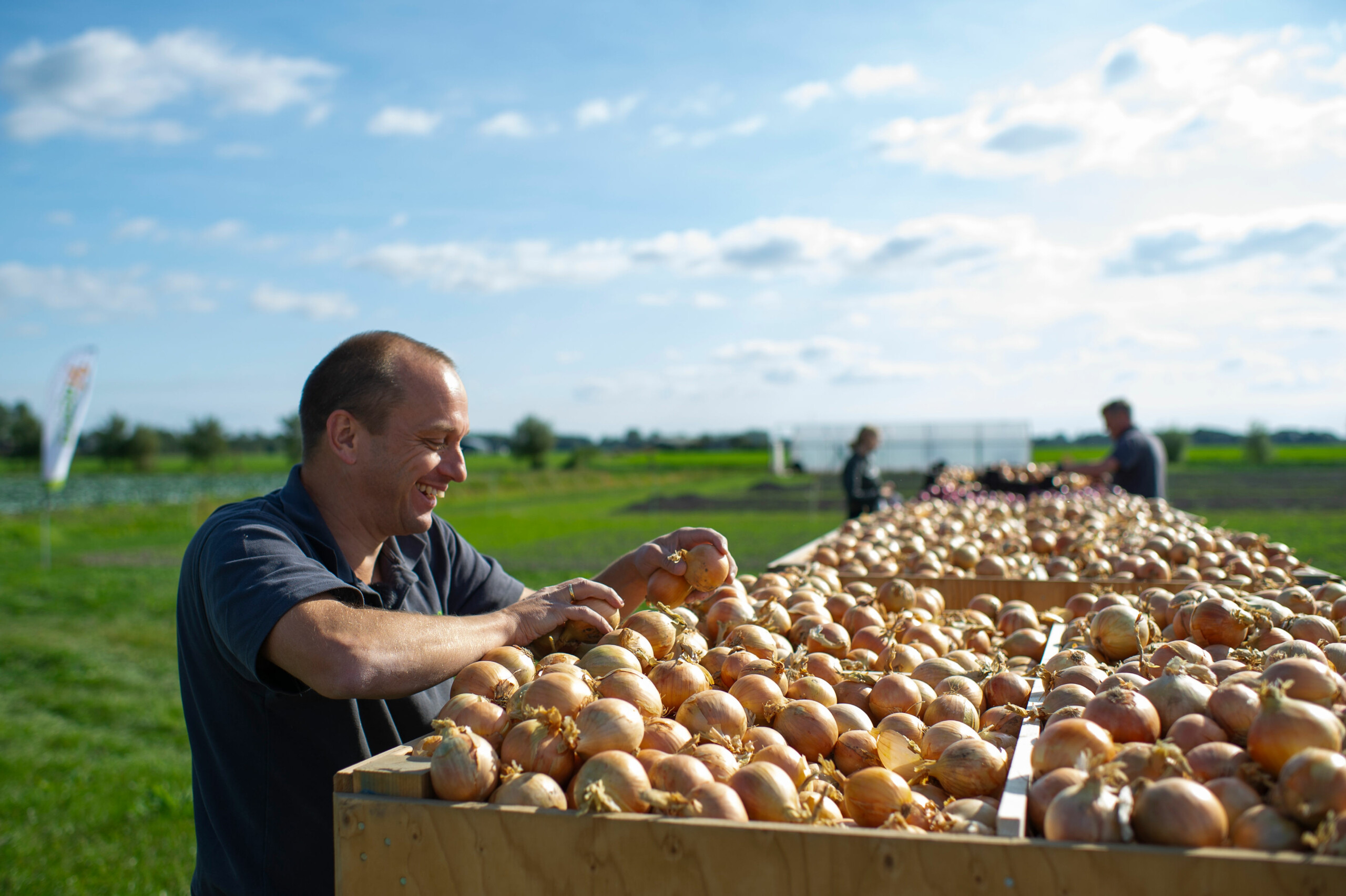
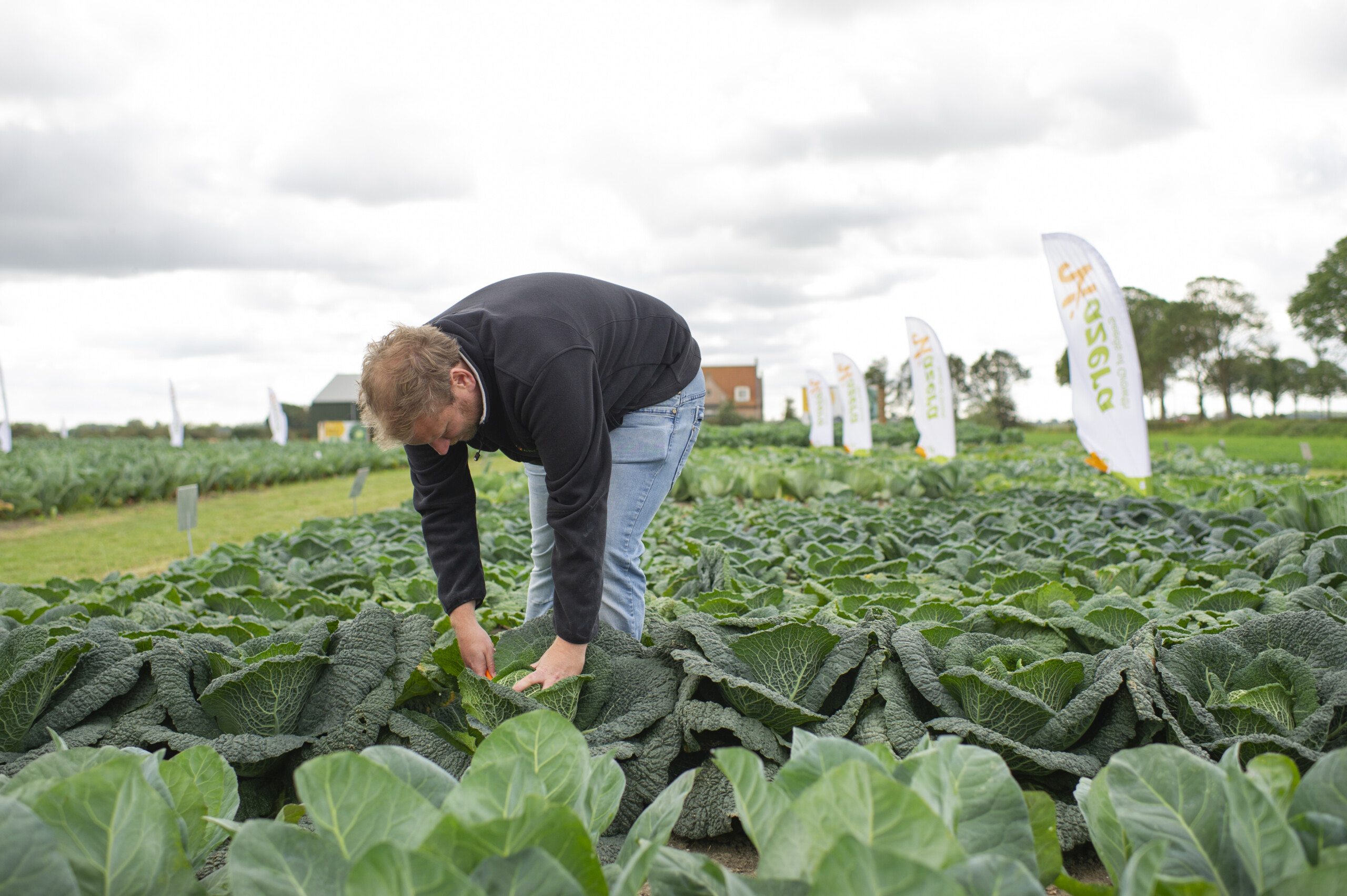
Higher labor costs and decreasing labor availability are leading many farmers to consider mechanical harvesting and other new technologies. We’re seeing mechanization trends take hold in places like the Netherlands, the UK, and California, in relation to a wide range of produce. However, with crops such as onions, it’s clear that hand-harvesting means a higher quality product with less damage.This is what makes research into developing new varieties so important. At Hazera, we’re working to test new crop varieties to ensure farmers can invest in the technologies they need, knowing their harvest won’t suffer.

2. Chemical control compliance
With tightening environmental regulation, many growers are looking for alternatives to traditional pesticides and fungicides. Biostimulants are a popular option for Hazera’s customers, being applied to seeds to make plants stronger and more resistant to disease. Product quality can also be boosted through seed pelleting, which creates more rounded seeds, and priming, which means up to five days’ less germination time in the field.

3. Local logic
Harvested crops have long been shipped around the world; however, increases in container transport costs are putting pressure on global food systems. Environmental awareness is meanwhile on the rise, as ‘buy local’ or ‘eat seasonal’ become important consumer trends. At Hazera, we help farmers achieve year-round production with varieties that have good storability and shelf-life properties. Developments in leeks, for instance, which traditionally deteriorate quickly once harvested, are making a big difference. More flexible crop varieties can help customers reduce transport costs, carbon emissions, and food waste, all at once.

Support from the ground up
Around the world, Hazera works in close cooperation with farmers of all kinds of crops to respond effectively to emerging trends. Through trials and other research, we address the industry’s most pressing challenges and develop seed solutions to help agriculturalists – and their plants – thrive.

Want to learn more? Contact us today to see how we can support you.

Spotlight on tomatoes: Opportunities and challenges in store

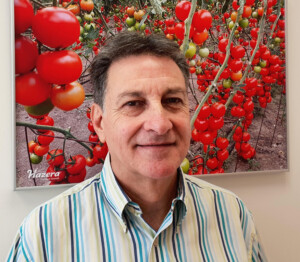
Did you know that tomatoes are among the world’s most popular vegetable crops? EU farmers alone produce around 17 million metric tons every year. COVID-19 has been an important driver of this thriving market: global retail sales of fresh tomatoes rose 17.6% in 2020, as people were forced to eat at home. At Hazera, tomatoes have a special place in our heart, and we offer hundreds of different varieties to farmers worldwide. Below, Alejandro Szechtman, Portfolio Marketing Director Tomato, sheds light on the challenges and opportunities facing the tomato sector today.


Alejandro Szechtman

Changing consumer tastes
Key to the popularity of tomatoes is the range of options available. Right now, we see rising demand for convenient snack tomatoes. Smaller tomatoes require more harvesting labor, which can be a challenge given today’s tough economic climate and tight labor market.

Meanwhile, consumers are increasingly ‘buying local’ to help the environment. But growing Mediterranean-quality fruits in northern Europe, for example, hasn’t always been easy. Now, thanks to Hazera’s experience and in-depth R&D, tastier tomatoes are available for more of the year. In parallel, we’re working with exporters to develop varieties with a longer transport life.

Automation opportunities
As manual labor declines in the tomato sector, we’re seeing farmers turn to automated, digitalized solutions to make production easier and faster. The resulting energy, cost, and resource efficiencies are extremely welcome in an industry where profits are often unpredictable. Automation is therefore an exciting area for investment, and we at Hazera are always working on R&D to make the dream solutions of the future a reality for the growers who need them.

Addressing the impact of climate change
A hotter climate will negatively affect plant growth and increase the risk of disease, making it harder to meet growing global demand.
Hazera is working on solutions to help farmers prevent and overcome the effects of climate change. Not only are we breeding more adaptable varieties with higher drought and heat tolerance, but we’re also collaborating with growers to design and implement technologies to save water during irrigation.

Meeting your tomato needs
A Hazera, We’re world leaders in tomatoes, with a huge portfolio of varieties available. We draw on our decades of knowledge and experience to support growers around the globe to make their operations sustainable, so consumers can continue to enjoy top-quality tomatoes for many years to come.

Looking for answers or advice about tomato production? Contact us today!

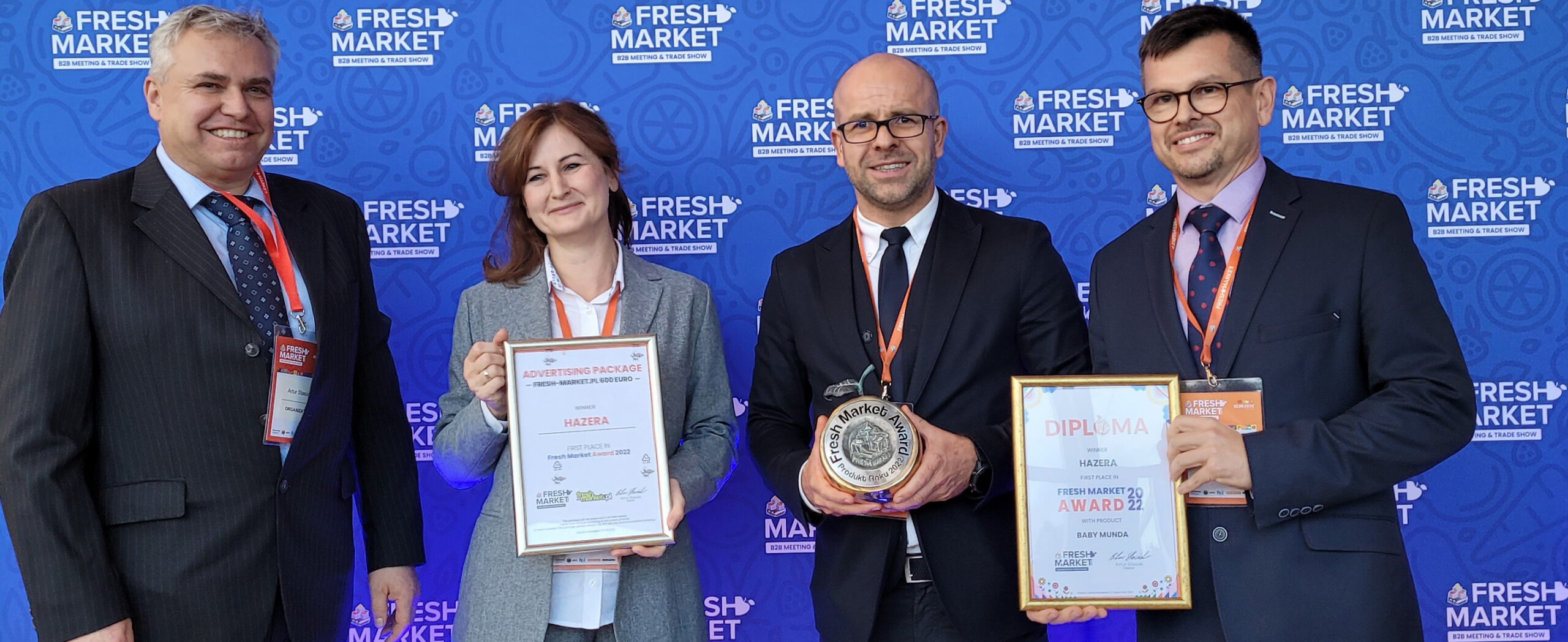
Fresh Market Award 2022 for pink tomato Baby Munda in Poland

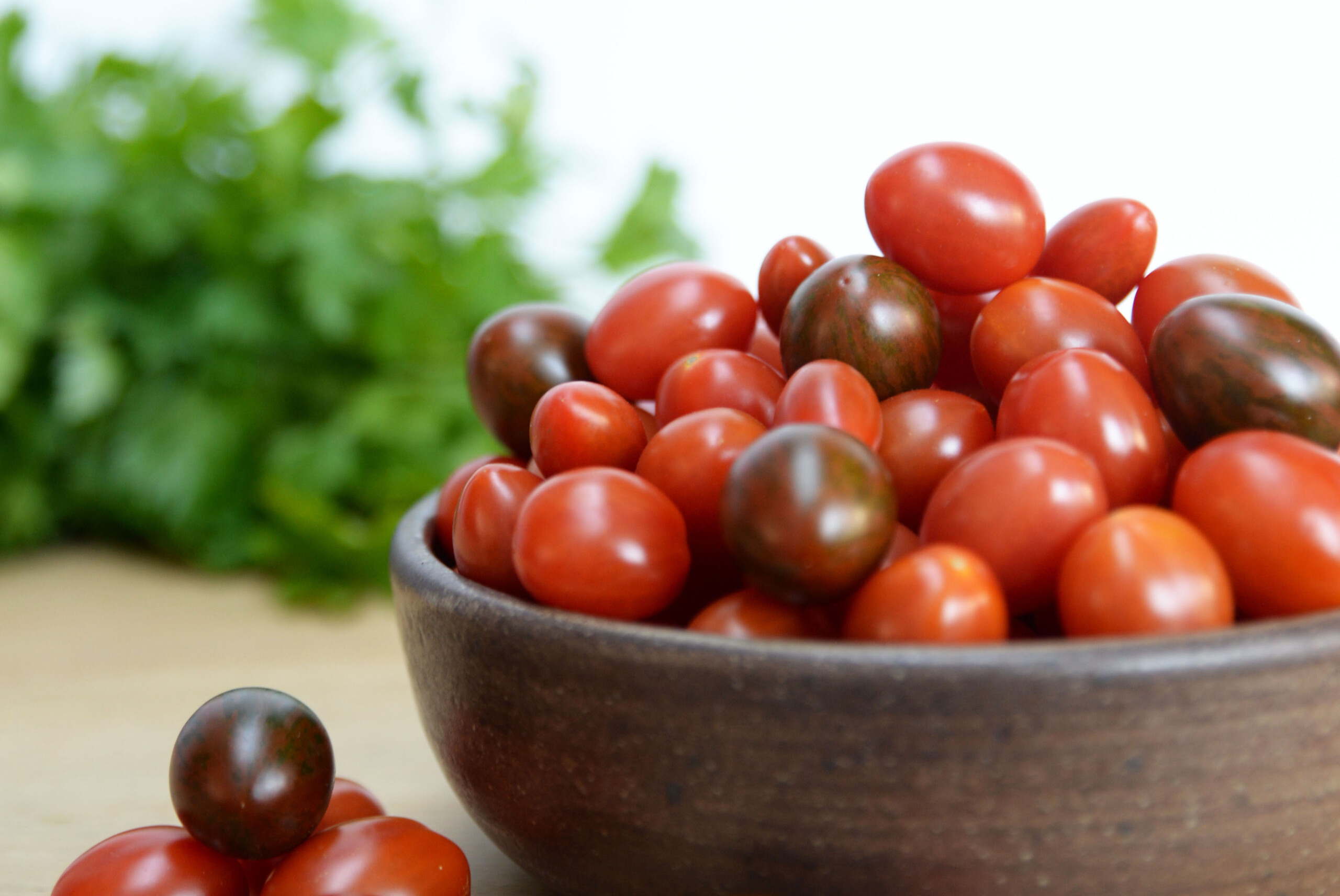
After a three-year gap, we were again able to participate in the Fresh Market trade fair in Poland. And with success. Pink tomato Baby Munda won the Fresh Market Award ’22. In the 2019 edition pink tomato Rosamunda was the winner. This year it’s the younger sister. The fruits have a similar shape, but with a “mini effect” (mini albenga type, c. 50-80 g), are delicate in taste and perform well as a delicious snack. Packed 6-8 items per tray, they look particularly attractive and encourage purchase.

Baby Munda won the Fresh Market Award 2022 beating competitors such as Bimi stem broccoli (Coregeo Ltd), iStem cauliflower (Syngenta) and YOOM tomatoes (Syngenta).

Congratulations to our Polish team!

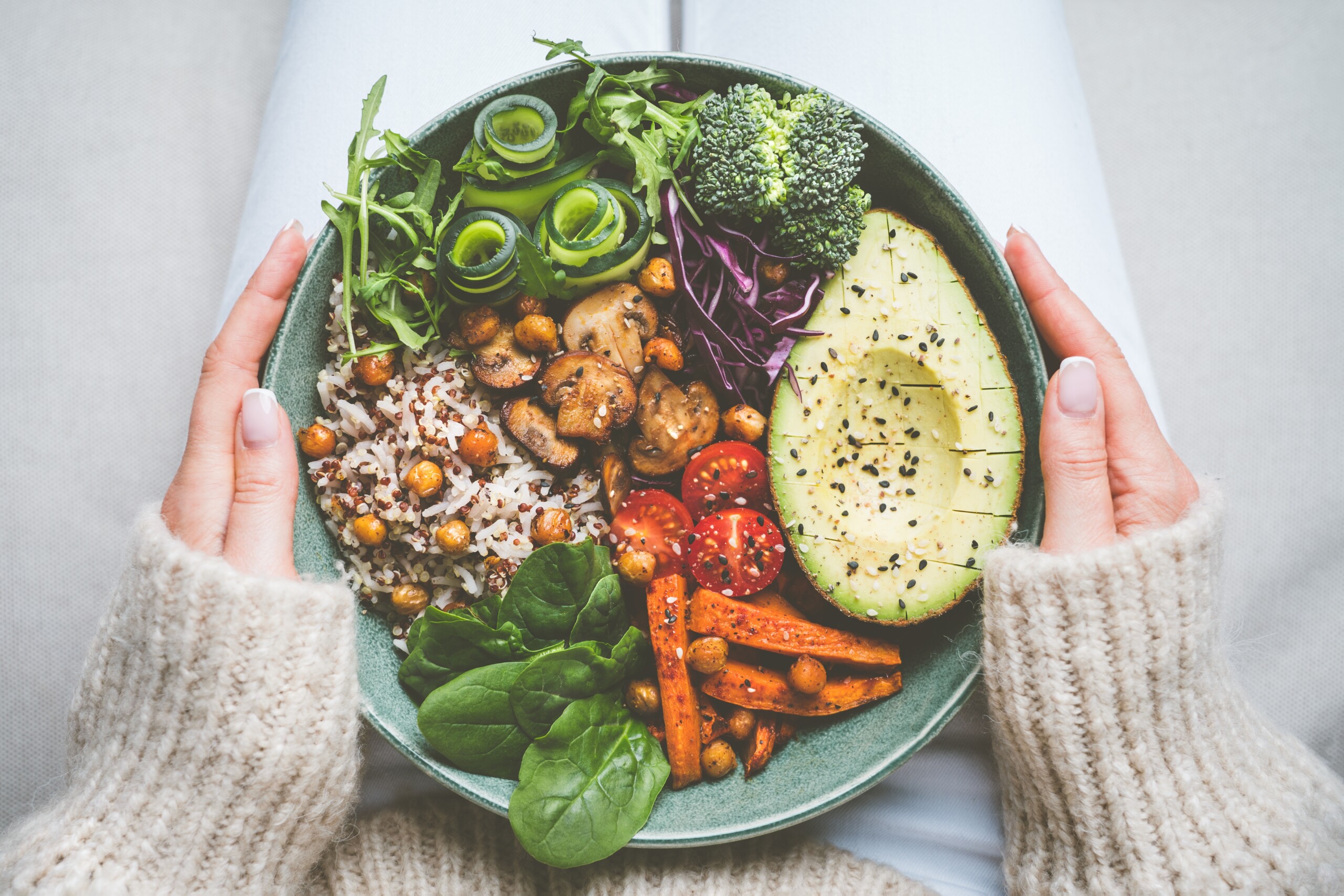
Plant-based eating is here to stay

In 2022, plant-based eating is here to stay. According to Bloomberg Group, global retail sales of plant-based foods are on track to reach $160 billion by 2030, up from $29 billion in 2020. Meanwhile, research by The NPD Group has found that 19% of consumers are looking to add more plant-based foods to their diet.

However, the plant-based market is more fragmented and complex than it often appears – and it’s evolving month by month. We look at some of the current trends shaping the market and what they mean for growers.

1. Flexitarianism flexes its muscles
The biggest sources of demand for plant-based products aren’t vegetarians or vegans, but rather people choosing to eat less meat. According to one study, 89% of plant-based users don’t consider themselves vegan or vegetarian. This is good news for crop farmers: “flexitarians” who still consume animal proteins may be less hungry for so-called “meat alternatives”, and more likely to stick to traditional plant-based foods such as vegetables, grains and pulses.

2. When two trends converge
Clean/organic eating and plant-based consumption were once considered separate movements, but we’re now seeing signs of convergence. In other words, health-conscious consumers seem to be moving away from more complex, processed plant-based products toward simpler, healthier alternatives. Rather than fake-meat burgers, think more cauliflower steak. There’s data to support this, with global avoidance of plant-based protein estimated to have doubled between 2019 and 2021, according to Hartman’s ‘Health + Wellness’ report.

3. Sustainability matters
And it’s not just about health. Growing environmental awareness at consumer level is also driving the trend toward more wholesome local produce. Going forward, Western markets may see increased demand for “low-carbon” vegetable categories (like brassicas, onions and leeks) in place of mostly imported crops such as avocados and soybeans.

4. Innovation, innovation, innovation
Though simple is often best, there’s no shortage of innovation in the plant-based sector. A particularly interesting trend is that of “hybrid foods” – burgers and nuggets, for instance, that include a blend of meat and vegetable products. This may also favor growers, as hybrid foods open up new paths to increased vegetable consumption.

As you can see, things change quickly in the plant-based world. At Hazera, we keep our finger on the pulse and provide solutions to help our customers navigate today’s fast-evolving consumer landscape. Contact us today to see how we can support your business.

Food tech trends to be aware of

The food industry isn’t short of challenges right now. Growers face rising fertilizer prices and the effects of climate change, while food providers are dealing with increased transportation costs and low consumer sentiment.

Thankfully, innovators have developed a range of solutions to combat these difficulties and bring agriculture into the 21st century. These four are firmly on our radar …

(more…)

Brassica Days in the Netherlands

The annual International Open Days in September are a long and well-known tradition. For many years we have presenting our full product range to international customers in the famous week 39. But times are changing. That’s why we decided to have a more focused scope on our Brassica portfolio this year. So the International Open Days will become the International Brassica Days, which can be visited upon appointment.

Local conditions and customers’ needs vary. The new approach this year to have a more focussed scope will help us to even better understand your needs and wishes. It will give us the opportunity to have more in-depth talks with you on our Brassica portfolio, the challenges you encounter, to give more technical advice for your area and to share the latest market trends and insights.

Brassica in the spotlight
The Brassica Days will take place from 27th until 29th of September in our breeding station in Warmenhuizen, The Netherlands and can be visited upon appointment. The event will focus on Western and Eastern Europe, Balkans and USA. During this event we will present our varieties on our demo field and visit our trial fields. We will talk about challenges in labour and present mechanical harvest solutions. The preparations for this event are in full swing. We are happy to keep you posted on the exact details of the program!

Tomato Rosamunda on shelves in Lidl shops all over Poland

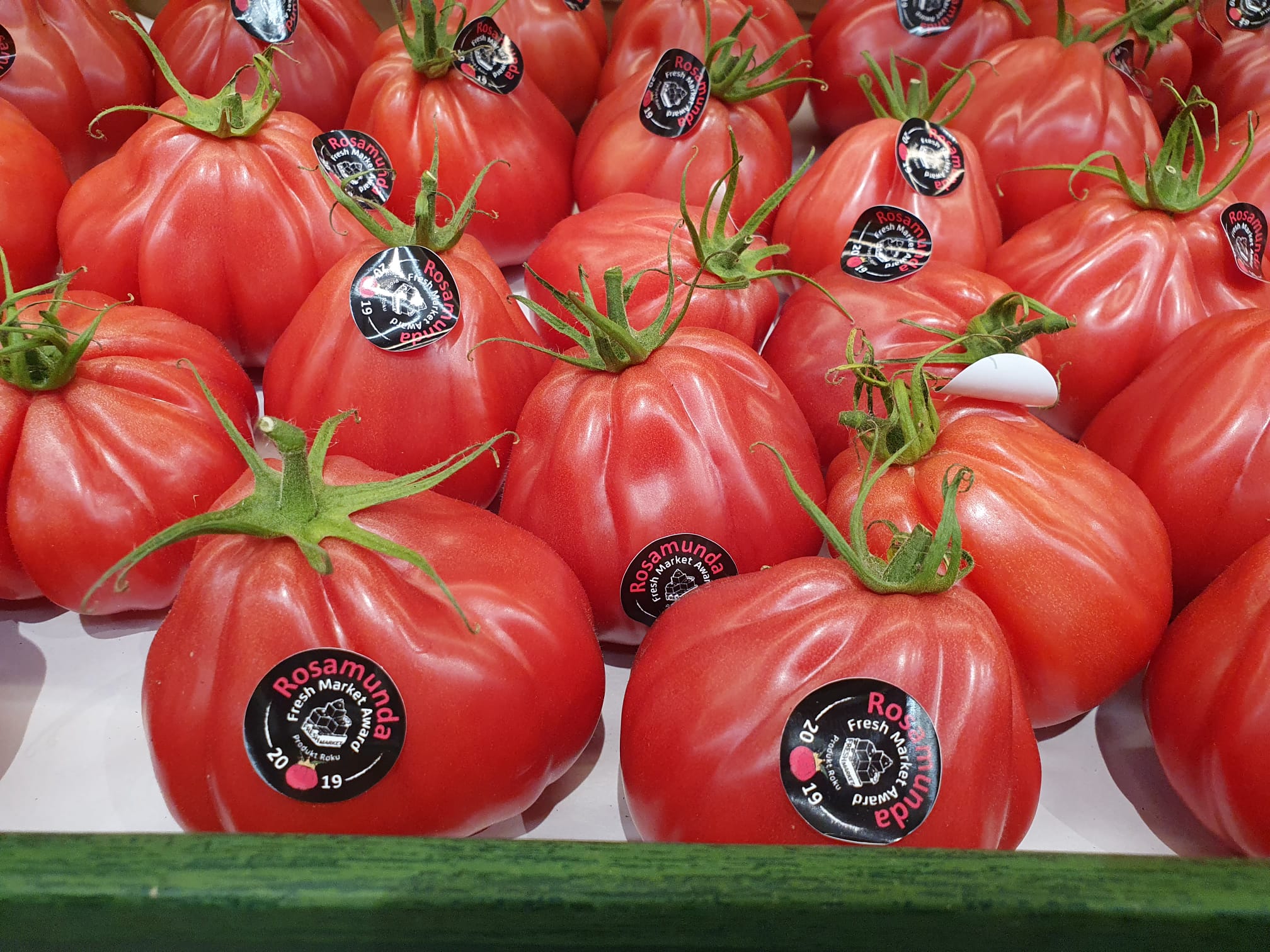
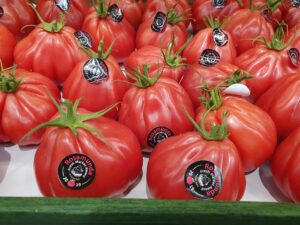
Hazera introduces pink tomato Rosamunda to to the entire Lidl chain in Poland.  Rosamunda is a pink tomato of albenga type. Each fruit in Lidl is covered with the label Rosamunda – Fresh Market Award in 2019 . The tomatoes are sold by the piece.

Michał Taraska, who has been working at the Polish subsidiary for three years, is responsible for the Fresh Market project. We are glad that together with Michal we could participate in this interesting and future-oriented project. We believe that Rosamunda opens the door to supermarket chains, in particular to Lidl, and it will be followed by other premieres of our products. Thanks to such projects we can have a real impact on the vegetables fresh market and also support our vegetable growers in this way.


Royal treatment for our tomato seeds – article Volkskrant May 23th The Netherlands

Welcome to our updated website

Take a look around and find out more!


A brand new look & feel, easier navigation & regional variety information.

The website is a whole in one.com. An one-stop-shop platform for all our international and local partners. It means we now operate from hazera.com with (automatic) redirections to regional websites.

Whole in one .com
The site features easier navigation, a brand new look & feel and regional variety information. In the regional variety information you will find more detailed information about our varieties, like resistances and harvesting and sowing tables. You can also use filters to find the most suitable variety and select a digital or physical event you want to attend. We will use the website also as platform to share our knowledge and latest insights with our partners.

About Hazera
Hazera Seeds is a global organization committed to developing high-quality vegetables seeds that allow communities to flourish. Our mission is making people, partnerships and fruit and vegetables flourish. We have headquarters in both the Netherlands and Israel, operating subsidiaries in 11 countries, together with a distribution network serving over 130 markets. Our partners operate in all kinds of climates, and under diverse growing conditions and market requirements. For over a century, our top priority has been walking alongside them, developing an enormous variety of seeds and providing comprehensive support every step of the way. Hazera’s team of experts works directly with growers to evaluate their needs, assist during variety selection and provide guidance and support throughout the crop cycle.
We are part of the Limagrain Group, an international agri-business based in France.