




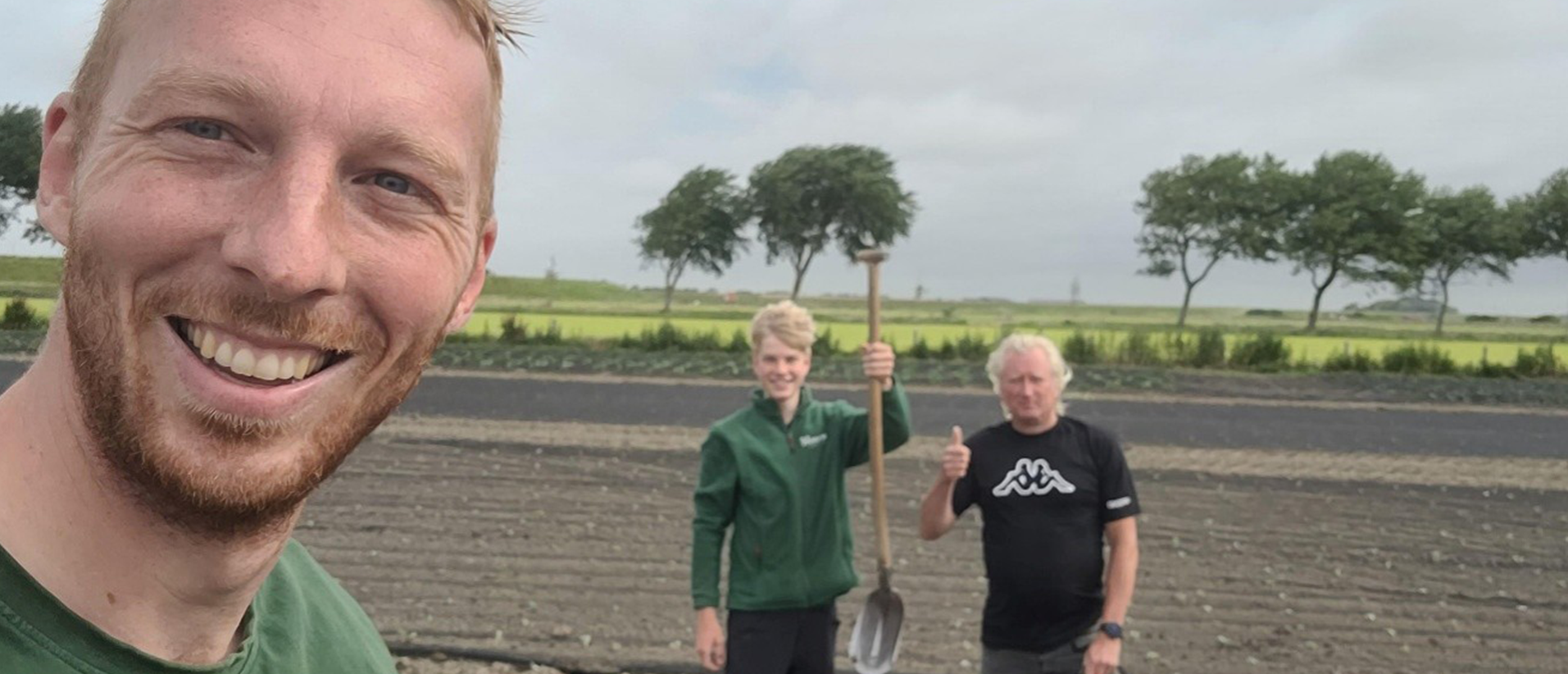
As Team Lead Field and Nursery within the Operations department in Warmenhuizen, my work is all about making sure our field activities run smoothly and our trials are carried out with care.
Together with four colleagues, I form what we call “the field team”. We are responsible for growing the trial fields that we manage ourselves, covering around 20 hectares of cabbage, radish and carrots. We also make sure that the work on our own trial fields, external trial fields and in our plant nursery is carried out properly.
Our work is closely connected to the weather, the crops and the season. That means every week is different, and plans often need to change quickly. Here’s a look at one of those weeks.
Saturday and Sunday – Staying ahead of the caterpillars
The week starts before Monday. Cabbage moths have been spotted in the area, which means they are likely to lay eggs in our cabbage trials as well. Those eggs turn into caterpillars, and caterpillars really like cabbage plants.
During this period, I try to visit all trials twice a week to stay ahead of them. If we find too many caterpillars, we spray with a BT product, which is a biological treatment. This helps protect the crop while keeping beneficial insects alive as much as possible.
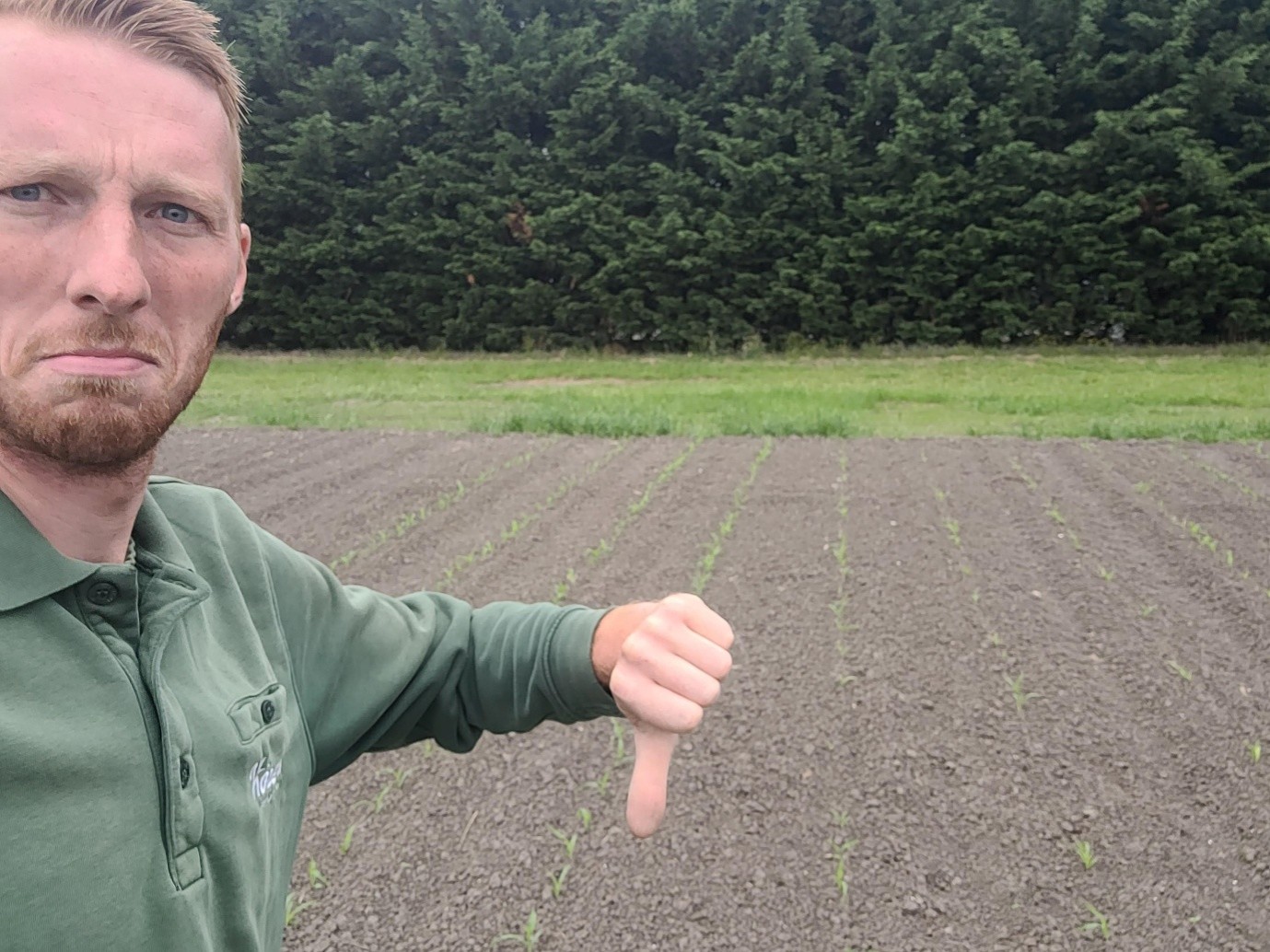
On two plots, I already find small caterpillars. Those will need to be treated on Monday. While visiting the demonstration field, I also notice that some maize seedlings are dropping out. Not what you want to see. I quickly send a message to everyone who knows more about maize, hoping we can still do something about it.
Monday – Planning, planting and adjusting as we go
At 7:00, the week officially starts with the Operations work meeting. The week before, I prepared the planning for all activities and I read it out during the meeting. Normally Henry does this, but he is on holiday. Together, we discuss the work, and we also check whether there are any safety or quality insights that need to be shared. Once the planning is approved, I send it to the whole location.
With my own team, I go through the week in more detail. Because our work depends so much on the weather, every day can change. Today, the team will be weeding, spraying against caterpillars and trying something to help the maize. The people in my team are true professionals.
I take care of the plantings for the demonstration field for the International Open Days myself, as Matthijs is on holiday. That means rotavating the soil, marking the rows, planting and irrigating. It is practical work, and I really enjoy it.
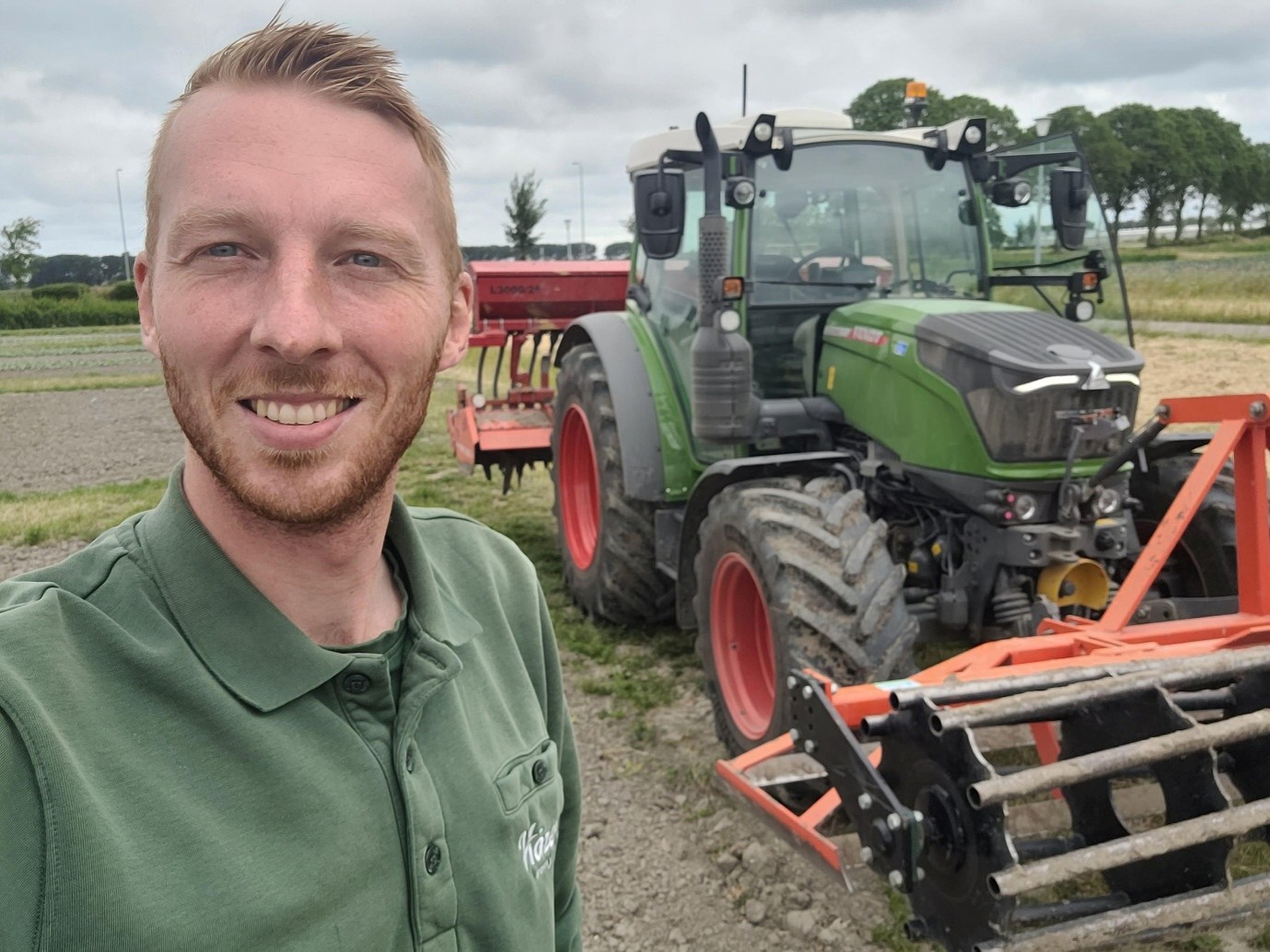
Once that is done, I prepare the plantings for later in the week. We hope to plant around 2.5 hectares of cabbage and cauliflower on two different plots. I start with the rotary harrow, after which Henk takes over so I can prepare for a job interview.
Tuesday – Planting with precision
I start half an hour earlier today together with my colleague Biko, so we can load the plants we are going to plant. We load the plants onto trolleys and transport them with our Iveco box truck. To drive it, you need a C1 driving licence, which I was able to obtain through Hazera.
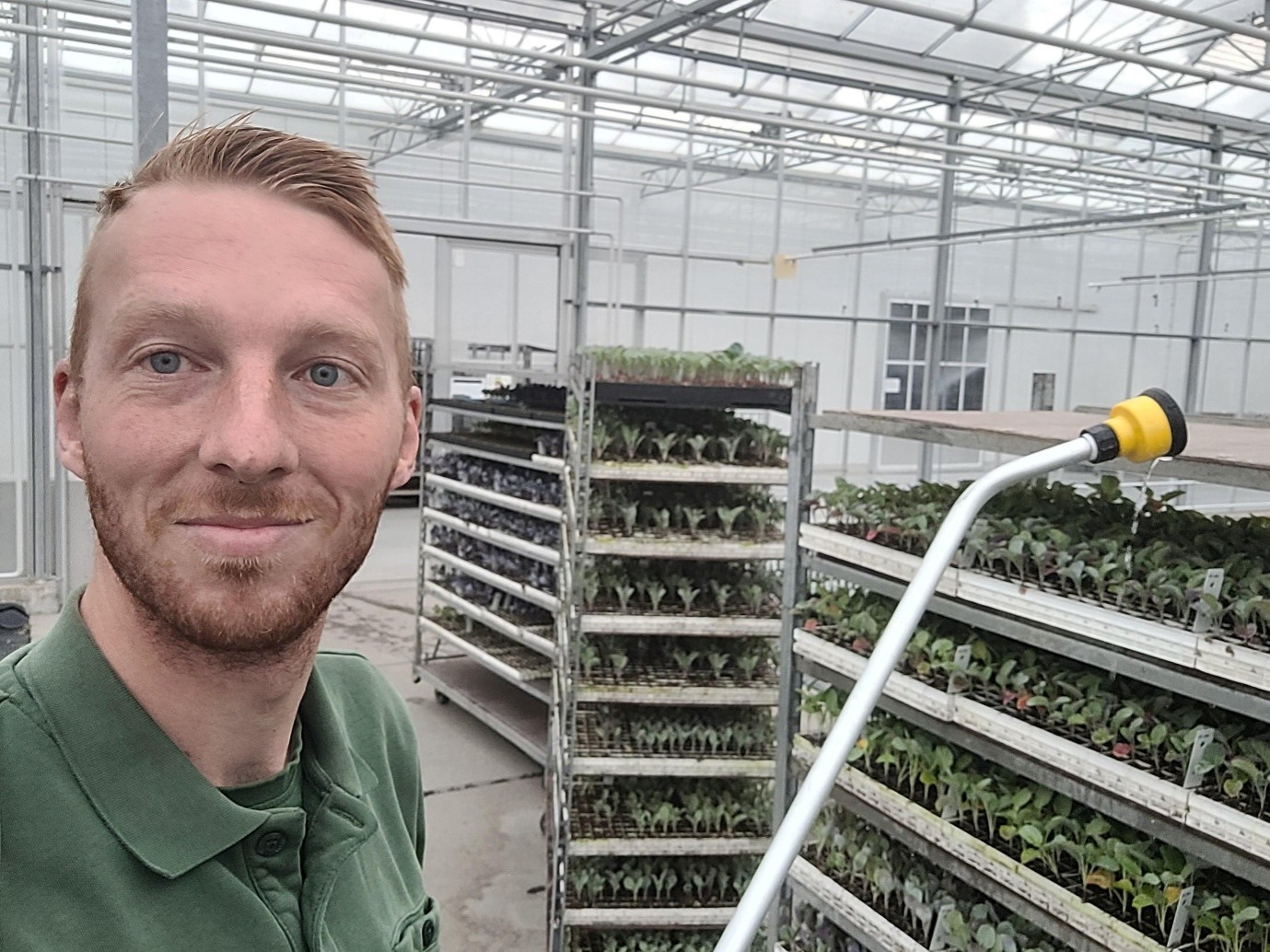
We have a strong team for planting today, so we can plant around 200 trays. It is very precise work, and every time I am impressed by how neatly my colleagues do it.
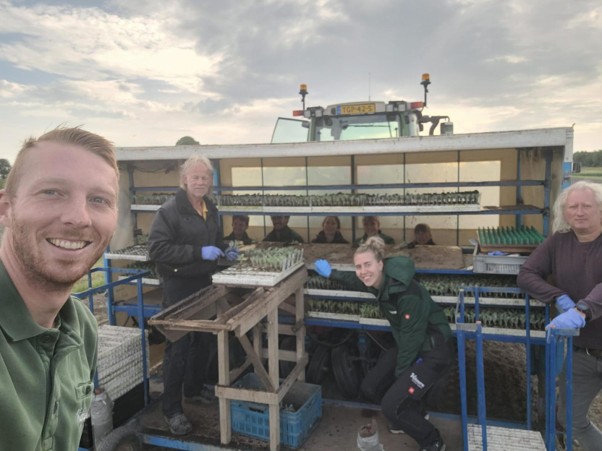
We also receive a visit from the temporary employment agency we often work with. It is important for them to understand how carefully we work, because not every temporary worker is suited to this type of precise field work.
In between, I step away for a moment to prepare the machines for tomorrow, so we can start early again. I also share my concerns about the lack of staff and ask my breeding colleagues for help. Luckily, my namesake Joost is ready to help me lay nets. Teamwork makes the dream work.
Wednesday – Weather decisions and crop advice
The day starts by checking the weather forecast. Rain is expected at 10:00, so we first finish laying the nets together.
In the end, the rain arrives at 12:00, which means we can no longer spray foliar fertilisers today. Friday will be too hot for spraying, so it really needs to happen tomorrow. That means I have to change the labour planning again. Luckily, my colleagues are used to that by now.
There is still plenty to do: weeding, chasing away hares, covering plants and sowing grass paths. I check whether everything is running smoothly, and then I have some time to tackle weeds myself.
At 14:00, our crop adviser Jesse visits us. He is also known from YouTube as “Boer Jesse”. Every week, he measures crop growth and compares it with the expected growth curve. Based on soil samples and leaf sap samples, we adjust the fertilisation to grow the healthiest plants possible. In the demonstration field, the maize has unfortunately got worse. The other crops, however, are growing as they should.
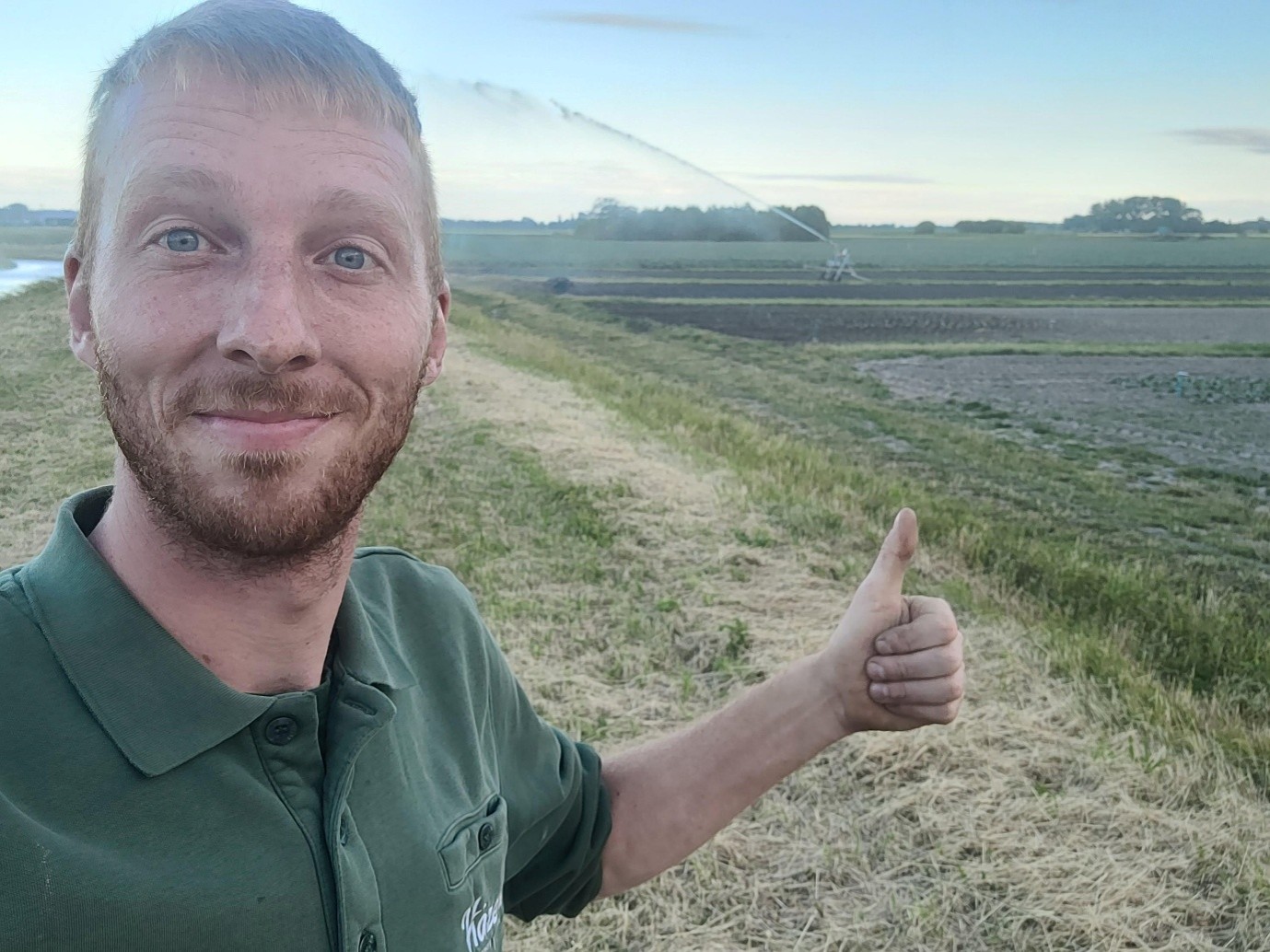
I end the afternoon by preparing everything for the next day. Around 21:00, the wind has dropped, so I start the irrigation reel.
Thursday – Checking crops and balancing choices
Today we are planting cabbage again, so the day starts with preparing everything, laying nets in between and bringing coffee to the team.
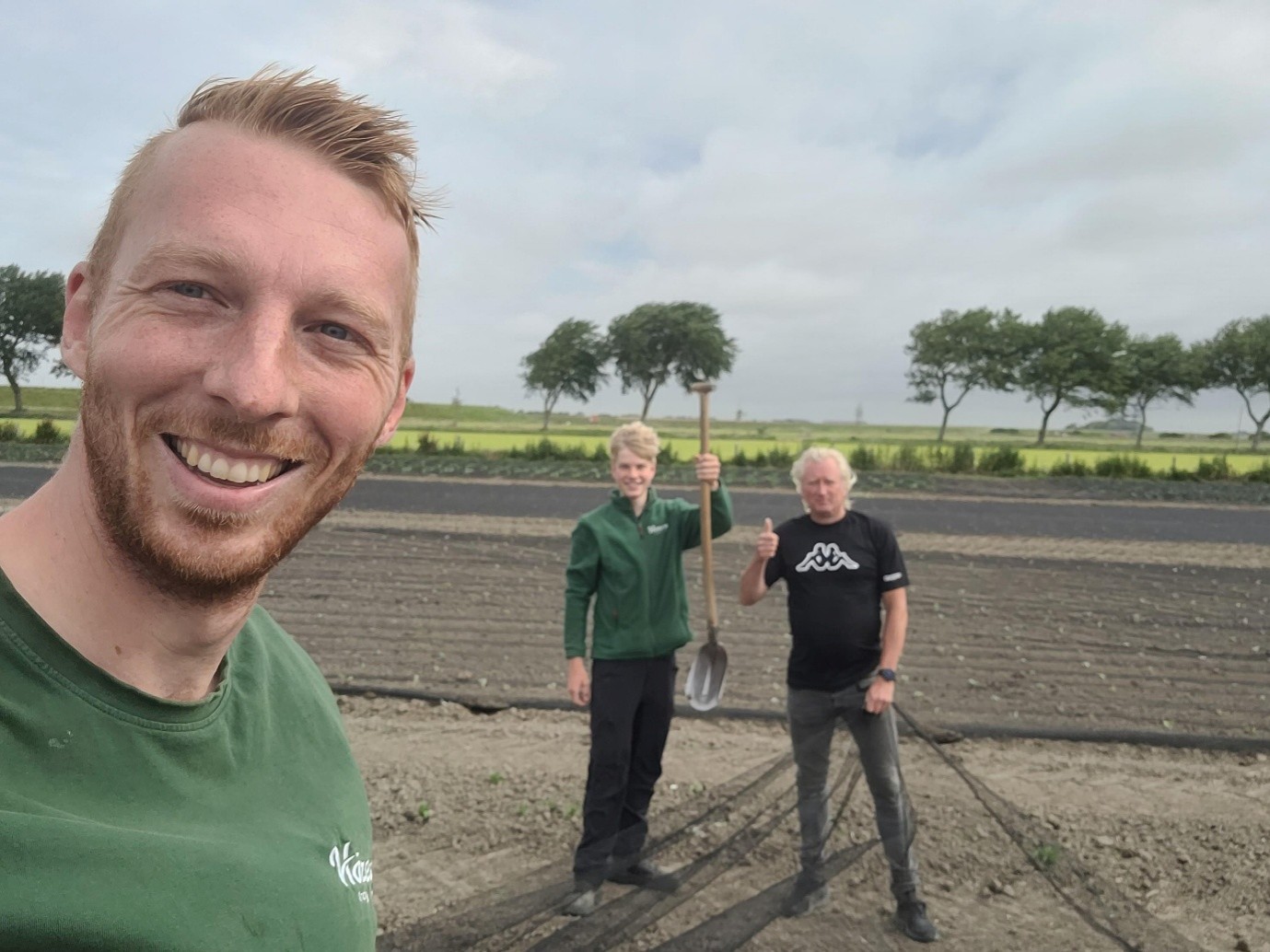
I try to plant no more than two days a week, so everyone involved still has enough time for their other work. Because the weather is favourable, the planning is working out quite well. For me, today also includes a crop inspection round. There are not many caterpillars yet, but we do see a lot of green peach aphid, flea beetle and weeds.
Like every grower, we also have to deal with national legislation and the decreasing availability of crop protection products. For me, that can be a dilemma. For my colleagues and myself, I think it is a healthy development to work with fewer chemicals. It is not a good feeling to work in a crop that has just been sprayed, or when spraying is taking place right next to you.
At the same time, as a grower, crop protection is still often the best guarantee for a healthy crop. We do not want to lose expensive trials to flea beetles or caterpillars if we could have controlled them.
After my crop round, I prepare some machines. At 16:00, I join the “week 39 meeting”. Together with colleagues from Made, we discuss the progress of the International Open Days project. I give a weekly update on the field.
Unfortunately, there is no good news about the maize. We have now found out that the bean seed fly is causing the plants to drop out. We treat against it in the evening. Later that evening, I check whether the irrigation reel is still running, and then that is enough for today.
Friday – Finishing what needs to be done
Friday is always the day for finishing things off: everything that was not completed earlier in the week and everything that still needs to be done before the weekend.
We sow beetroot, weed, mow the grass, irrigate and place fences in the demonstration field. I help until 09:30, and then I prepare the planning for the whole Operations department for the following week.
Every week, we receive work order forms from project leaders, including breeders, in which they indicate which additional activities they need from Operations outside the routine work.
At 13:00, a photographer visits to prepare a timelapse in the demonstration field. That is going to look great. After that, I am asked to give a field tour for Henk, Ciro, Manu, Yossi and Louis. With temperatures around 32 degrees, that must have been quite a tough tour for them.
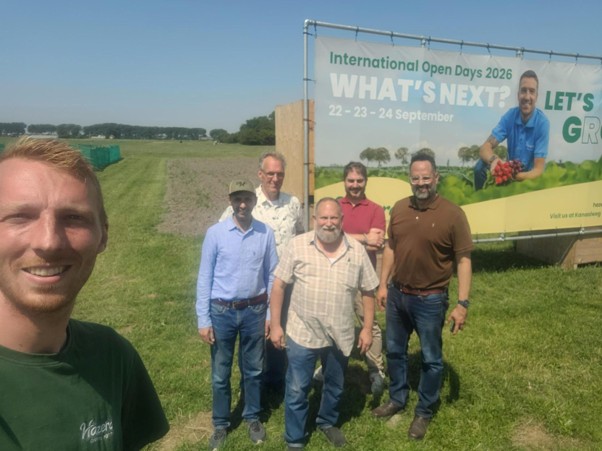
I close the week together with my manager Henk. We discuss the week and look ahead at the planning for the coming weeks. Henk is a good manager with a lot of practical experience in the kind of work I do. That means I can really discuss the challenges I face in my role. I think everyone at Hazera deserves that.
Saturday – Checking the fields after the rain
During the night, between 35 and 38 millimetres of rain has fallen on our plots. I can see that in the app connected to our digital weather stations.
So I go out for a round with my son Jan to see how everything looks. We find some hail damage in the cabbage and Brussels sprouts, but that should recover. On two plots, the soil surface has sealed over because of the rain. Soon, we will need to try to carefully open the soil again, so enough oxygen can get into the soil and the plants can continue growing.
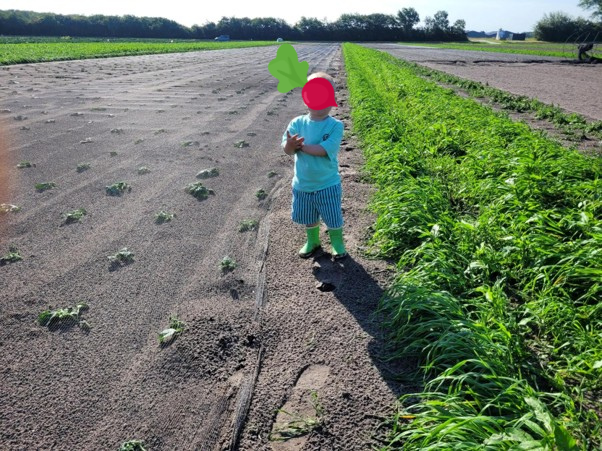
Some nets have blown loose, and the International Open Days banner has fallen over, crates and all. We will have to repair that on Monday.
The maize does not seem to have got worse after the last treatment. With that positive news, I close the week and I am curious to see how everything develops next week.
Keeping the field moving
This week shows what working in Field and Nursery is really about. It is practical, technical and very dependent on timing.
You need to plan carefully, but also be ready to change the plan when the weather, the crop or the situation asks for it. It is about growing healthy crops, protecting valuable trials and making sure colleagues can rely on the work being done in the field.
For me, the strength of this work is the team around it. Everyone has their own expertise, and together we keep the field moving.


