
Hazera sows the seeds for a sustainable future

“As a seed company working on the frontlines of the environmental crisis,” says Michal Efrat, Quality Assurance Manager Environment & Corporate Social Responsibility (CSR), “Hazera knows we need to take better care of our planet, so it can continue to nourish people everywhere. That’s why the environment is key to our CSR strategy.” Launched in 2020, ‘Growing the future together’ aims to embed social and environmental responsibility and a sustainable, ethical mindset into everything we do.

“We want to be the best seed company in the world – and for the world,” Michal continues. “By producing seeds and contributing to plant growth, we’re off to a good start. But we want to grow our positive impact even further.”

Reducing emissions & cutting back on waste and materials
We’re exploring various ways to reduce Hazera’s carbon footprint. “Our Netherlands bike leasing program is very popular with colleagues and also takes cars off the road,” Michal says. “Plus, we’re looking into electric/hybrid company vehicles and carbon offsetting for plane travel, along with installing solar panels at our offices.” Meanwhile, in Israel and the Netherlands, single-use items like disposable cups are gone from Hazera offices. In the USA, we recycle seed pallets, and in our Sderot plant we even upcycle some into furniture.

Protecting our planet’s biodiversity
Seeds are what we do best at Hazera – and our colleagues in the Netherlands and Israel have been planting flowers around their homes and offices. “Bee populations are suffering,” explains Michal, “and wildflowers are crucial for healthy, biodiverse ecosystems. This way we protect our biodiversity and the local bees love their new habitats!”

Plogging
In March 2021, a devastating oil spill reached the Israeli coastline. “We had to act,” Michal says. “A group of colleagues helped clean up the tar residue on local beaches. That was the inspiration for our company-wide ‘plogging’ initiative, where participants collect litter while walking or running.”

No Planet B
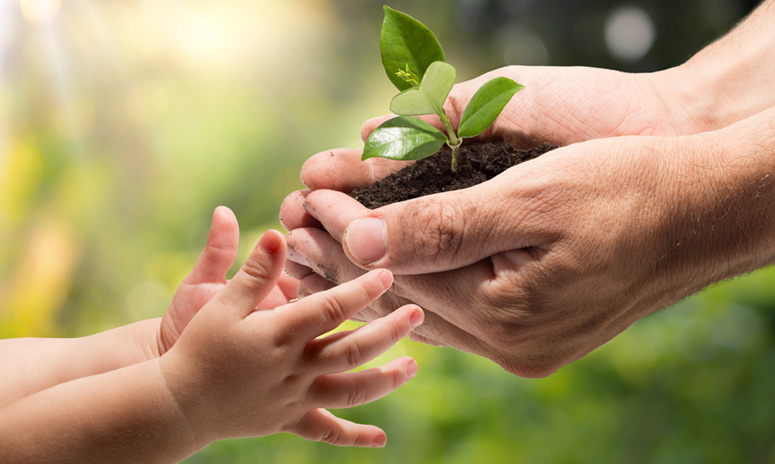
We only have one planet, and we need to protect its ecosystems to feed the growing global population. At Hazera, we’re committed to helping preserve our environment, so we can continue growing a healthy, flourishing future together.

Hazera launches ToBRFV resistant varieties in Mexico

Hazera launches ToBRFV resistant varieties in Mexico

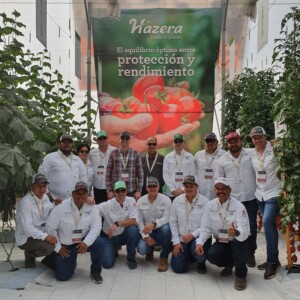
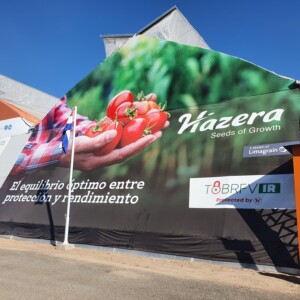
After having announced the pipeline of its ToBRFV resistant varieties, Hazera is proud to launch its first resistant varieties for the Mexican market and showcase them at the most important event for agriculture in Latin America- EXPO AgroAlimentaria Guanajuato® 2022 in Mexico.


ToBRFV launch

ToBRFV is very noticeable in Mexico and growers have been faced with diminished yields and battered fruit. ToBRFV is a huge problem for tomato production, affecting the yield and fruit quality with coloring issues and brown spots on fruits impacting directly on the marketable yield.

Since ToBRFV hit tomato growers worldwide, Hazera’s R&D team has been working tirelessly, for several years, to find varieties capable of giving an effective level of ToBRFV resistance without compromising the yield and fruit quality. “These efforts included in-depth trials in many locations, under different conditions in a global scale, to confirm that we are able to provide solutions, with the right balance between performance and ToBRFV protection”, according to Alejandro Szechtman, Hazera’s Portfolio Marketing Director.

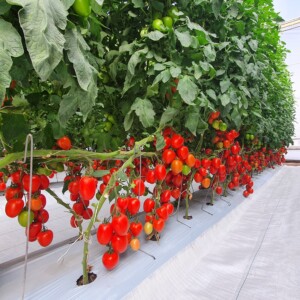
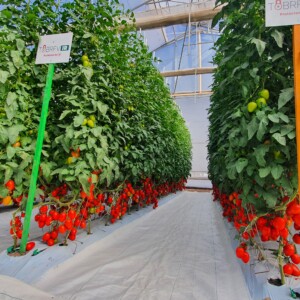
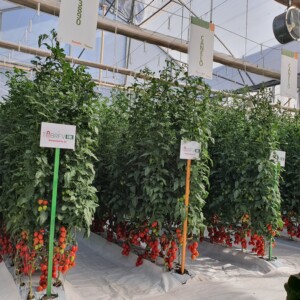
With the optimal balance between protection and performance, Canelo, one of Hazera’s tomato varieties with resistance to ToBRFV, is an indeterminate Roma type with a vigorous plant, which maintains a balanced yield under adverse environmental conditions, due to its wide array of resistances. “Through vast trialing of Canelo in most regions of Mexico, including San Luis Potosi, Baja California, Michoacan, Sinaloa, and Coahuila, Canelo provides high yield, excellent fruit quality, good maturation with an intense red color, as well as excellent firmness, maintaining L and XL sizes with average weights of 150 to 160 grams throughout the production cycle”, according to Javier Angulo- Product Development Manager, Mexico.


“Canelo”

Canelo is a very productive variety, ideal for growing in a net house or greenhouse. Additionally, with its ToBRFV resistance, Canelo is able to serve the Mexican grower as an effective tool to face the highly infectious virus, which is supported by local growers, who claim that “Canelo is a very strong and healthy plant with outstanding high fruit quality.”

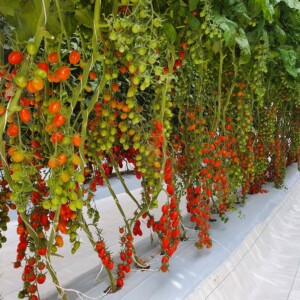
Looking forward, “Hazera is continuing its efforts to provide effective varieties to better cope with ToBRFV on a global scale and, in Mexico, will launch several new varieties, including the up and coming, new Indeterminate Grape Tomato, ‘Pendragon’, a variety that combines ToBRFV IR resistance with high yield, long shelf life, and good taste, following our commitment to provide growers varieties with the optimal balance between protection and performance,” says Alejandro Szechtman.


ToBRFV range / “Pendragon”

Fresh from the field: Three key trends in crop farming

Humans have been farming crops for millennia – but the goal remains the same: to feed people. Of course, farming practices have advanced dramatically in the past few centuries, and global pressures continue to drive rapid change in the industry. Reinout de Heer, Portfolio Marketing Director Allium & Crucifers, explores three key trends shaping crop farming and discusses how Hazera’s expertise is paving the way for a more sustainable industry future.

1. Mechanization momentum
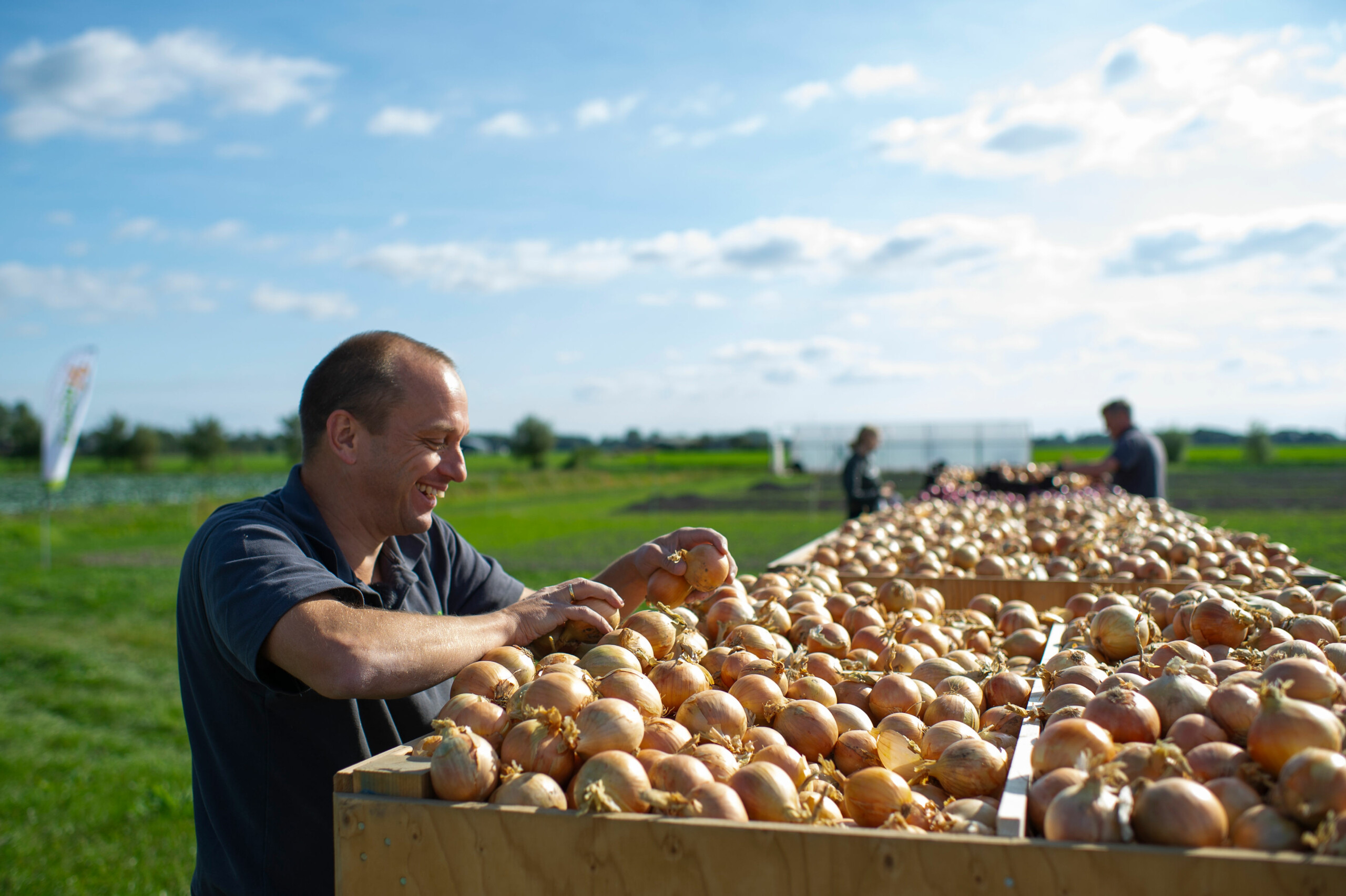
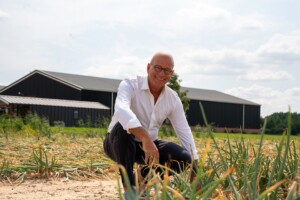
Higher labor costs and decreasing labor availability are leading many farmers to consider mechanical harvesting and other new technologies. We’re seeing mechanization trends take hold in places like the Netherlands, the UK, and California, in relation to a wide range of produce. However, with crops such as onions, it’s clear that hand-harvesting means a higher quality product with less damage.This is what makes research into developing new varieties so important. At Hazera, we’re working to test new crop varieties to ensure farmers can invest in the technologies they need, knowing their harvest won’t suffer.

2. Chemical control compliance
With tightening environmental regulation, many growers are looking for alternatives to traditional pesticides and fungicides. Biostimulants are a popular option for Hazera’s customers, being applied to seeds to make plants stronger and more resistant to disease. Product quality can also be boosted through seed pelleting, which creates more rounded seeds, and priming, which means up to five days’ less germination time in the field.

3. Local logic
Harvested crops have long been shipped around the world; however, increases in container transport costs are putting pressure on global food systems. Environmental awareness is meanwhile on the rise, as ‘buy local’ or ‘eat seasonal’ become important consumer trends. At Hazera, we help farmers achieve year-round production with varieties that have good storability and shelf-life properties. Developments in leeks, for instance, which traditionally deteriorate quickly once harvested, are making a big difference. More flexible crop varieties can help customers reduce transport costs, carbon emissions, and food waste, all at once.

Support from the ground up
Around the world, Hazera works in close cooperation with farmers of all kinds of crops to respond effectively to emerging trends. Through trials and other research, we address the industry’s most pressing challenges and develop seed solutions to help agriculturalists – and their plants – thrive.

Want to learn more? Contact us today to see how we can support you.